
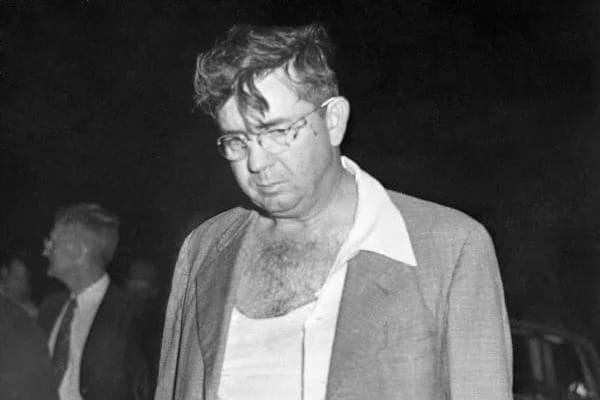
Sheriffs differ from police chiefs. They're usually elected and answer to voters, while police chiefs are typically appointed by a mayor or city council. That electoral dynamic makes sheriffs a closer reflection of a country's electorate for better or worse.
Sheriffs wield county-wide authority, running jails and providing court services, while police chiefs enforce laws within city limits. That broader jurisdiction gives sheriffs outsized power, and in the worst cases they've used it to punish populations that don't look like them.
What these twenty sheriffs reveal is not a collection of rogue actors or isolated abuses, but a system functioning exactly as designed. Each man operated in a different county, under different circumstances, across more than a century — yet their methods, their targets, and their impunity were nearly identical. That kind of consistency doesn’t happen by accident. It happens when the structure of local power rewards violence, protects those who wield it, and punishes only the people on the receiving end. These sheriffs didn’t distort the law; they embodied the law their counties demanded.
Their racism wasn’t hidden, subtle, or coded. It was carried out in uniforms, in courthouses, in county jails, and in broad daylight. It was written into job descriptions, reinforced by elections, and upheld by communities that preferred order over justice. When we look at these twenty men, we’re not looking at outliers — we’re looking at the system itself.
1. Sheriff Jim Clark — Dallas County, Alabama
Jim Clark ruled Dallas County with a badge in one hand and a cattle prod in the other. His tenure became synonymous with the brutality of Selma, where peaceful marchers were met with fists, clubs, and tear gas. Clark didn’t simply enforce segregation — he performed it, turning the courthouse steps into a stage where Black citizens were humiliated for attempting to register to vote. His deputies, often deputized white citizens, acted as an extension of his will, blurring the line between law enforcement and mob rule.
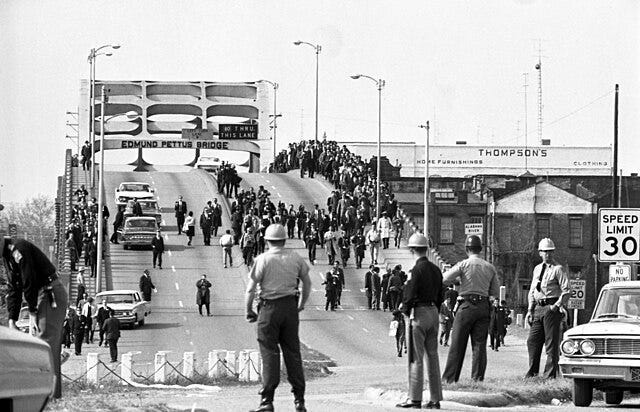
Clark’s violence was not random; it was strategic. Every blow delivered on the Edmund Pettus Bridge was meant to send a message to Black residents across Alabama: political participation would be punished. His actions drew national outrage and helped catalyze the Voting Rights Act, but locally, he remained insulated by white political power. Clark’s legacy is a reminder that some of the most notorious acts of racial violence were carried out not by hooded mobs but by men wearing official uniforms.
2. Sheriff Willis McCall — Lake County, Florida
Willis McCall’s name is inseparable from the Groveland Four case, where he shot two handcuffed Black defendants while claiming they tried to escape. His office became a fortress of impunity, where federal investigators were stonewalled, and Black residents lived under constant threat. McCall’s reputation for violence was so well known that civil‑rights workers considered Lake County one of the most dangerous places in Florida.
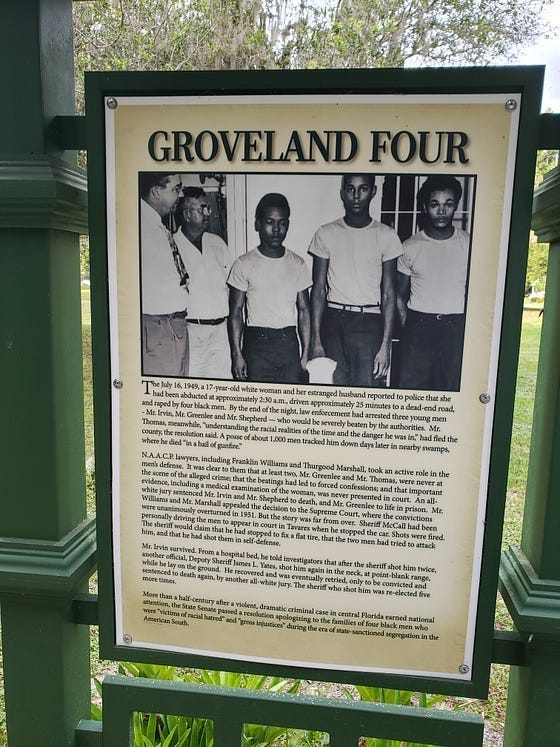
McCall’s power came from his ability to manipulate both the legal system and public opinion. He presented himself as a defender of order while enabling white mobs and obstructing justice at every turn. His decades‑long tenure shows how deeply racial violence could be embedded in the structure of local government — not as an aberration, but as policy.
 William Spivey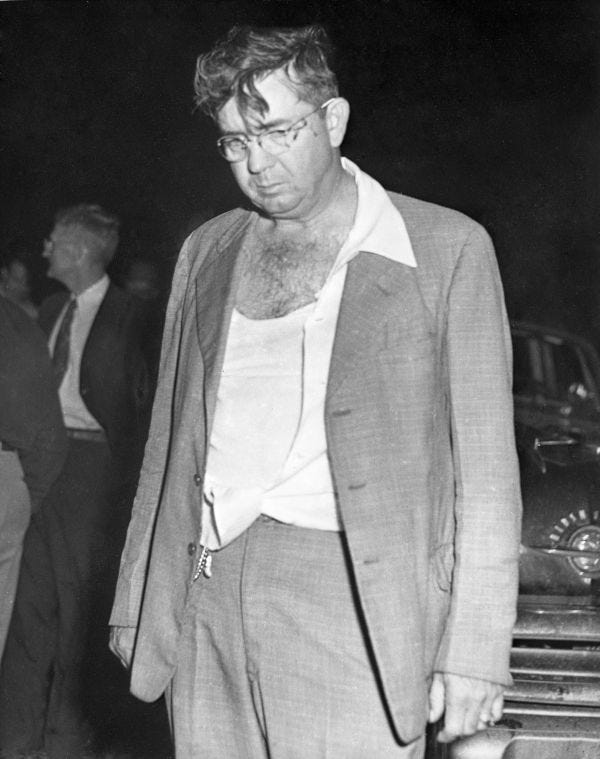
3. Sheriff Lawrence Rainey — Neshoba County, Mississippi
Lawrence Rainey became infamous during the 1964 Freedom Summer murders of James Chaney, Andrew Goodman, and Michael Schwerner. Though acquitted, Rainey’s known sympathies with the Ku Klux Klan and his department’s hostility toward civil‑rights workers placed him at the center of one of the most notorious crimes of the era. The Justice Department described his office as openly hostile to Black residents.
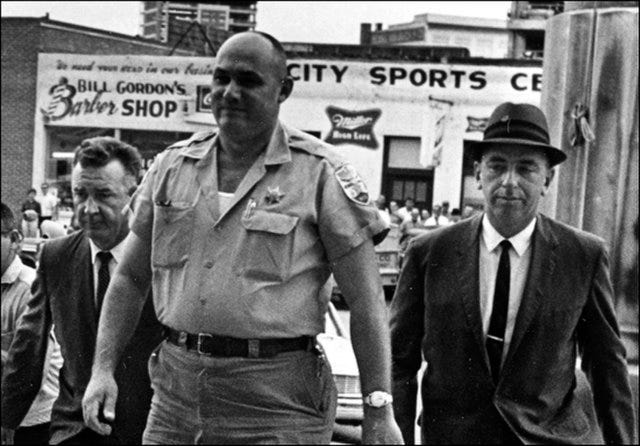
Rainey’s swaggering public persona — cigar in mouth, cowboy hat tilted — masked a deeper truth: he represented a system where law enforcement and white supremacist groups operated in tandem. His story illustrates how sheriffs could become gatekeepers of racial terror, using their authority to shield perpetrators and intimidate victims.
4. Sheriff Clarence Strider — Tallahatchie County, Mississippi
Clarence Strider inserted himself into the Emmett Till case with a mix of arrogance and obstruction. He publicly defended the accused killers, dismissed the mutilated body as a hoax, and manipulated jury selection to ensure an acquittal. His actions were not just about protecting two men; they were about protecting a racial order.
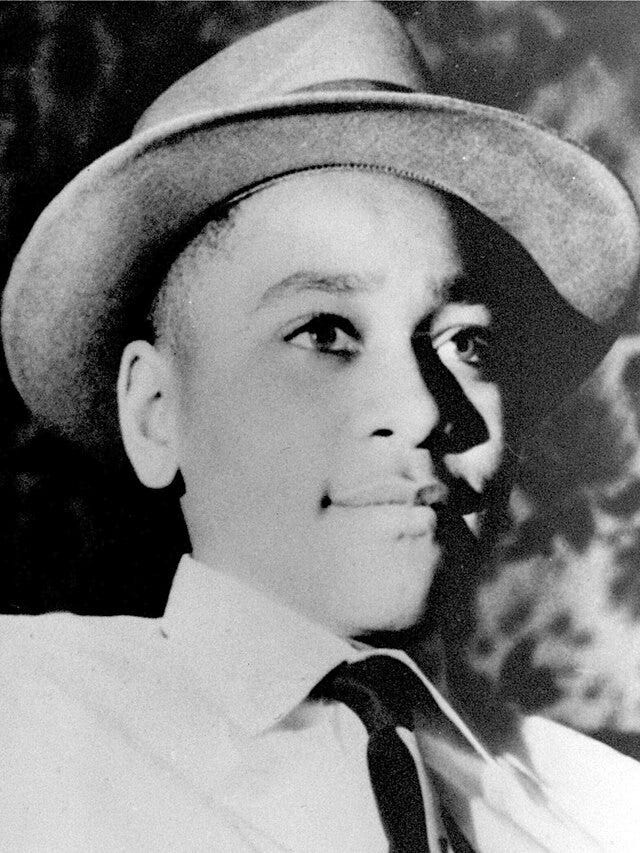
Strider’s behavior during the trial revealed how sheriffs could shape the narrative of a crime before it ever reached a courtroom. By casting doubt on Till’s identity and credibility, he reinforced the idea that Black lives were disposable. His role in the case remains one of the clearest examples of how law enforcement could actively undermine justice.
5. Sheriff Pat Garrett — Texas
Though remembered for killing Billy the Kid, Pat Garrett’s early career was steeped in racialized violence against Mexican and Black laborers. His posse carried out what historians describe as “legalized lynchings,” where killings were justified as necessary force but functioned as racial terror.
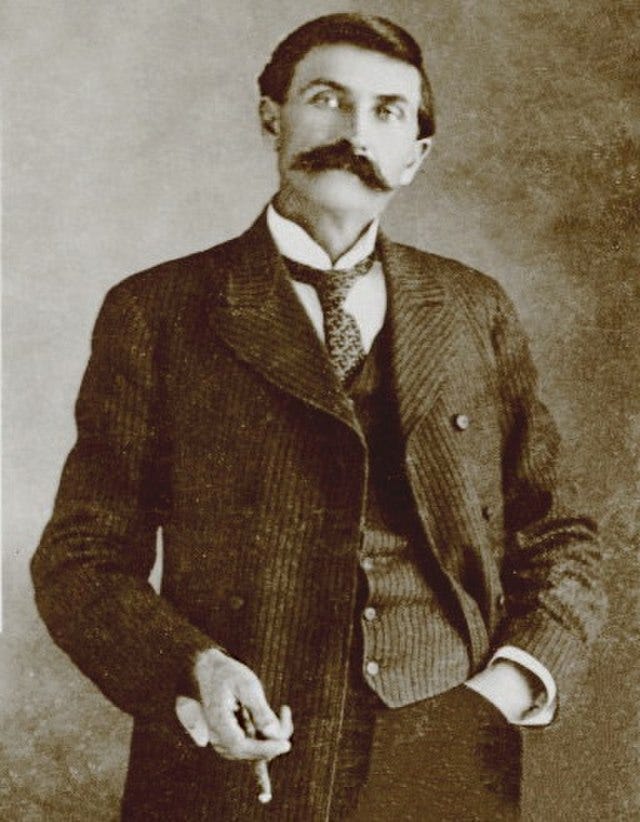

Garrett’s story shows how the mythology of the Old West obscures the racial realities of frontier law enforcement. Behind the legend was a man whose authority often meant life or death for marginalized communities. His career demonstrates how violence could be sanitized through folklore, leaving the victims erased.
6. Sheriff Joseph Shipp — Hamilton County, Tennessee
Joseph Shipp is the only sheriff in U.S. history convicted by the Supreme Court — a consequence of his role in allowing the lynching of Ed Johnson in 1906. Shipp’s refusal to protect Johnson, despite a federal stay of execution, exposed the limits of federal power in the face of local resistance.
Shipp’s conviction was symbolic but did little to change the culture of impunity that allowed sheriffs to collaborate with mobs. His story underscores how deeply entrenched racial violence was in the justice system, and how rare accountability truly was.
7. Sheriff Robert “Bob” Millican — East Texas
Bob Millican presided over a jail from which multiple Black prisoners were taken and lynched. His repeated claims that mobs “overpowered” his deputies became a grim pattern, one that historians now recognize as complicity rather than incompetence.
Millican’s tenure reflects a broader truth: many sheriffs did not need to swing a rope to participate in racial terror. Simply leaving a cell door unlocked or stepping aside at the right moment was enough. His story is a reminder that silence and inaction can be as deadly as direct violence.
8. Sheriff Frank Hamer (early career) — Texas
Before he became famous for killing Bonnie and Clyde, Frank Hamer’s early career included enforcing Jim Crow laws and suppressing Black political organizing. His involvement in racialized violence is often overshadowed by later hero worship.
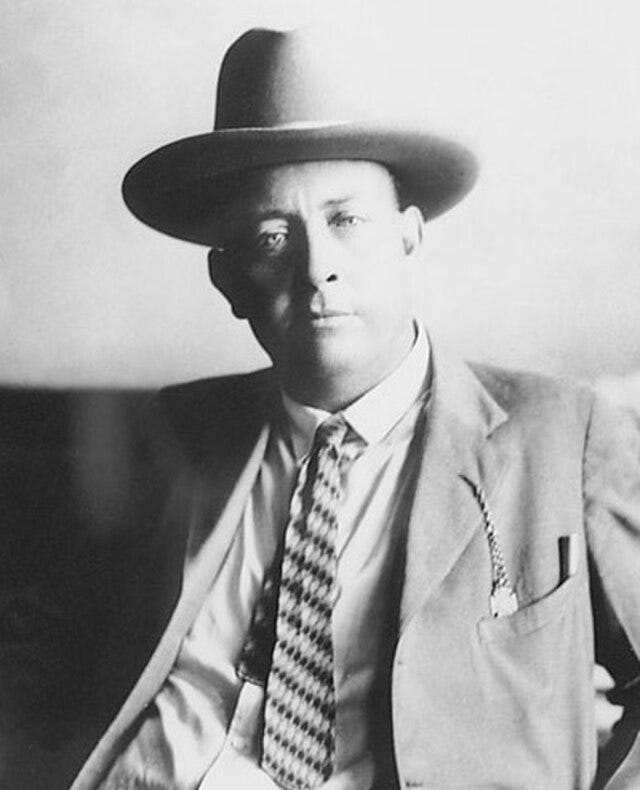
Hamer’s dual legacy — celebrated outlaw hunter, early enforcer of racial hierarchy — shows how American memory selectively edits the past. His story illustrates how law enforcement officers could be both mythologized and feared, depending on who was telling the story.
9. Sheriff John Henry McCall — Georgia
John Henry McCall oversaw a jail where Black prisoners routinely “escaped” into the hands of mobs. State archives document multiple cases where prisoners were seized with little resistance from their deputies.
McCall’s tenure demonstrates how sheriffs could maintain plausible deniability while enabling violence. His repeated failures to protect prisoners reveal a system where the law was bent to the will of white mobs.
10. Sheriff Claude Screws — Baker County, Georgia
Claude Screws beat a Black man, Robert Hall, to death in custody — a killing so egregious it reached the Supreme Court. Though his conviction was overturned on technical grounds, the brutality of the act was never in question.
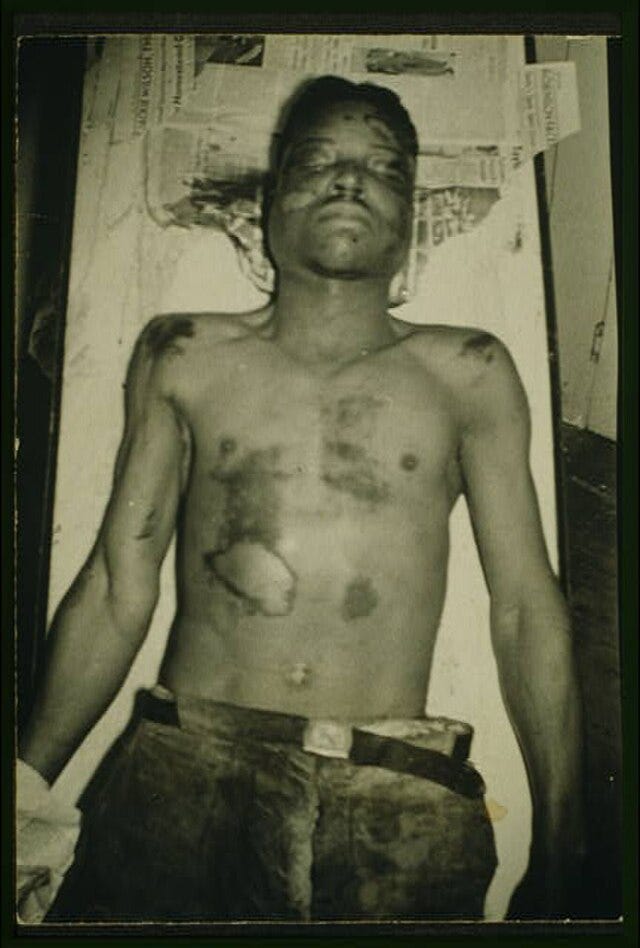
Screws’ case became a landmark in federal civil‑rights law, but locally, he remained shielded by political power. His story shows how even the most blatant acts of violence could be absorbed by a system designed to protect sheriffs, not the people they harmed.
11. Sheriff Samuel T. “Tip” Hunter — Lauderdale County, Tennessee
Tip Hunter presided over the environment that led to the abduction and murder of Elbert Williams in 1940. Federal investigators described his office as openly hostile to Black voter registration efforts, and his refusal to cooperate hindered the DOJ’s ability to prosecute.
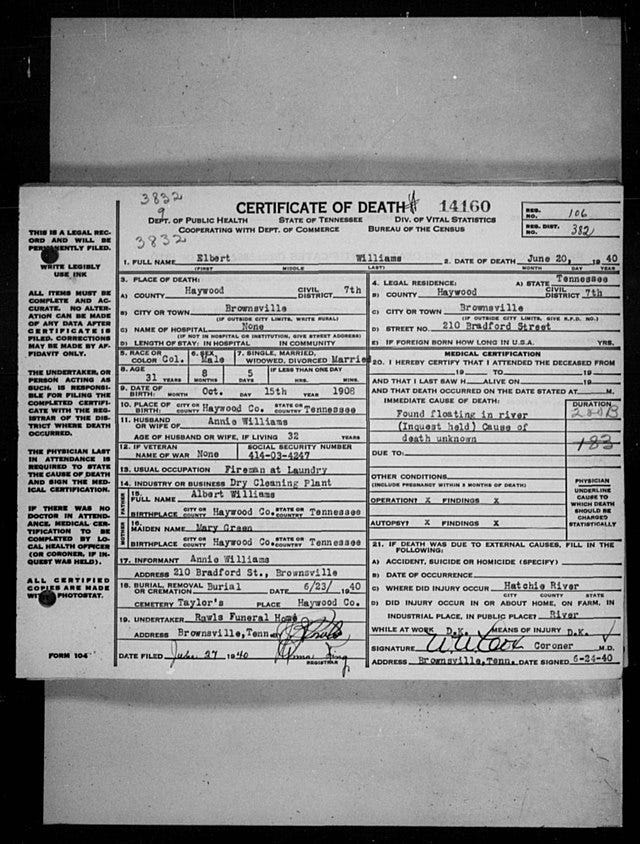
Hunter’s role in the Williams case illustrates how sheriffs could weaponize their authority to suppress political participation. His office became a barrier to justice, demonstrating how local law enforcement could shape the fate of entire movements.
12. Sheriff Jim Crowell — Lowndes County, Alabama
Jim Crowell’s name appeared repeatedly in civil‑rights reports documenting beatings, intimidation, and violent suppression of Black political organizing. Lowndes County was known as “Bloody Lowndes,” and Crowell’s office played a central role in maintaining that reputation.
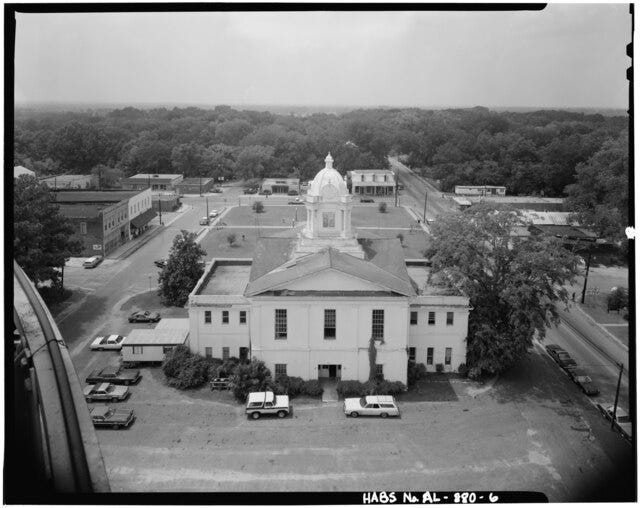
Crowell’s tenure shows how sheriffs could turn rural counties into zones of terror. His actions were not isolated incidents but part of a broader strategy to prevent Black residents from gaining political power.
13. Sheriff Dan Smith — Sunflower County, Mississippi
Dan Smith worked closely with plantation owners to enforce peonage‑like conditions. DOJ investigations documented beatings, disappearances, and forced labor practices that blurred the line between law enforcement and economic exploitation.
Smith’s story reveals how sheriffs could serve as enforcers of a racialized economic order. His office became an extension of plantation power, demonstrating how violence and labor control were intertwined.
14. Sheriff L. B. “Red” Nichols — East Carroll Parish, Louisiana
Red Nichols was repeatedly accused in state and federal reports of handing Black prisoners to mobs. His jail became a site where “escapes” conveniently aligned with mob intentions.
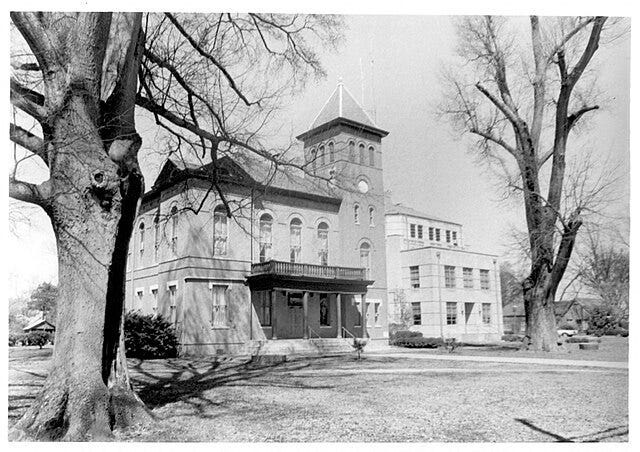
Nichols’ tenure shows how sheriffs could act as intermediaries between the law and extralegal violence. His actions reveal a system where the jailhouse door was a revolving barrier — locked for some, opened for others.
15. Sheriff John Collier — Drew County, Arkansas
John Collier played a role in the aftermath of the Elaine Massacre, where hundreds of Black sharecroppers were killed. His office protected white posses and facilitated mass arrests of Black survivors, framing them as aggressors.
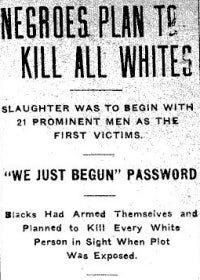
Collier’s actions demonstrate how sheriffs could rewrite the narrative of racial violence. By criminalizing survivors and shielding perpetrators, he helped transform a massacre into a legal proceeding that blamed the victims.
16. Sheriff J. Z. George Jr. — Carroll County, Mississippi
J. Z. George Jr. oversaw a county where multiple lynchings occurred without intervention. State archives document his refusal to investigate or prosecute mobs, reinforcing a culture of impunity.
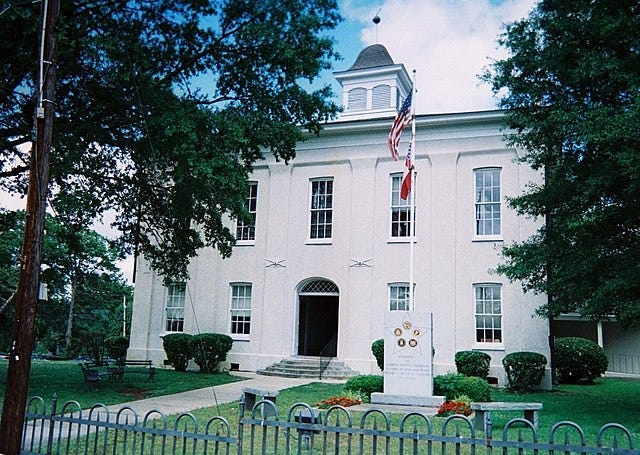
George’s tenure shows how sheriffs could maintain racial order through selective enforcement. His inaction sent a clear message: white violence would not be punished.
17. Sheriff W. T. Shirley — Okfuskee County, Oklahoma
W. T. Shirley was present during the lynching of Laura and L. D. Nelson in 1911, one of the most photographed lynchings in American history. The prisoners were taken from his jail with little resistance.
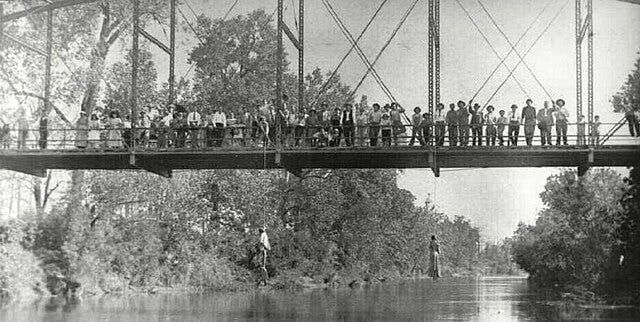
Shirley’s role highlights how sheriffs can enable mob violence by simply failing to act. His story is a stark reminder that law enforcement’s duty to protect was often abandoned when Black lives were at stake.
18. Sheriff John W. “Cat” Collins — Leflore County, Mississippi
Cat Collins was known for violently enforcing sharecropping contracts and intimidating civil rights workers. His office became a site of beatings and disappearances documented by activists.
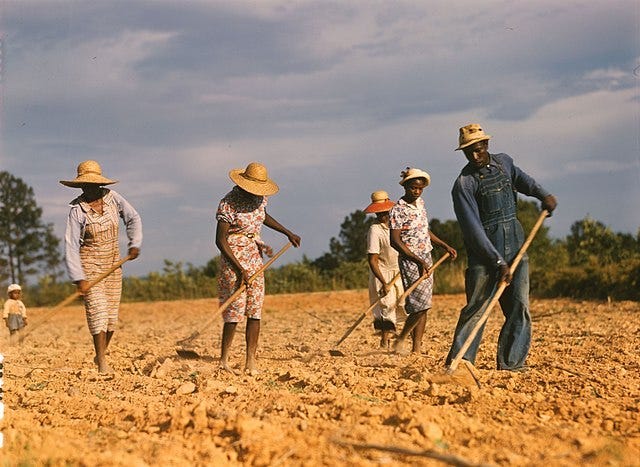
Collins’ tenure shows how sheriffs could serve as enforcers of both racial and economic control. His actions reveal how deeply intertwined violence and labor exploitation were in the Delta.
19. Sheriff J. E. “Buck” Buchanan — Jefferson County, Alabama
Buck Buchanan worked closely with Bull Connor, overseeing jails where Black protesters were beaten and denied medical care. His office became a tool for suppressing the civil rights movement in Birmingham.
Buchanan’s story illustrates how sheriffs could collaborate with city officials to create a coordinated system of repression. His actions helped shape one of the most violent chapters of the civil rights era.
20. Sheriff Dave Allison — Brazoria County, Texas
Dave Allison participated in multiple posse killings described by Texas Rangers as “legal lynchings.” His reputation for racialized violence was well documented in state reports.
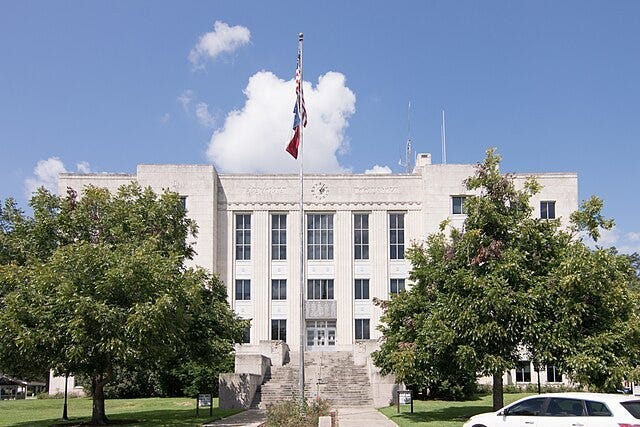
Allison’s career shows how sheriffs could use the language of law enforcement to mask acts of terror. His story is a reminder that violence carried out under the color of law can be just as devastating as mob action.
I arbitrarily chose 1980 as a cutoff point. There are some recent sheriffs, some still active, that might have made this list. Grady Judd of Polk County, Florida, comes to mind.
What these twenty sheriffs reveal is not a collection of rogue actors or isolated abuses, but a system functioning exactly as designed. Each man operated in a different county, under different circumstances, across more than a century — yet their methods, their targets, and their impunity were nearly identical. That kind of consistency doesn’t happen by accident. It happens when the structure of local power rewards violence, protects those who wield it, and punishes only the people on the receiving end. These sheriffs didn’t distort the law; they embodied the law their counties demanded.
Their racism wasn’t hidden, subtle, or coded. It was carried out in uniforms, in courthouses, in county jails, and in broad daylight. It was written into job descriptions, reinforced by elections, and upheld by communities that preferred order over justice. When we look at these twenty men, we’re not looking at outliers — we’re looking at the system itself. Their stories remind us that racism in America has never been just a matter of personal prejudice. It has been a matter of power, policy, and public office. And until we confront that reality, we will continue to mistake the symptoms for the disease.