
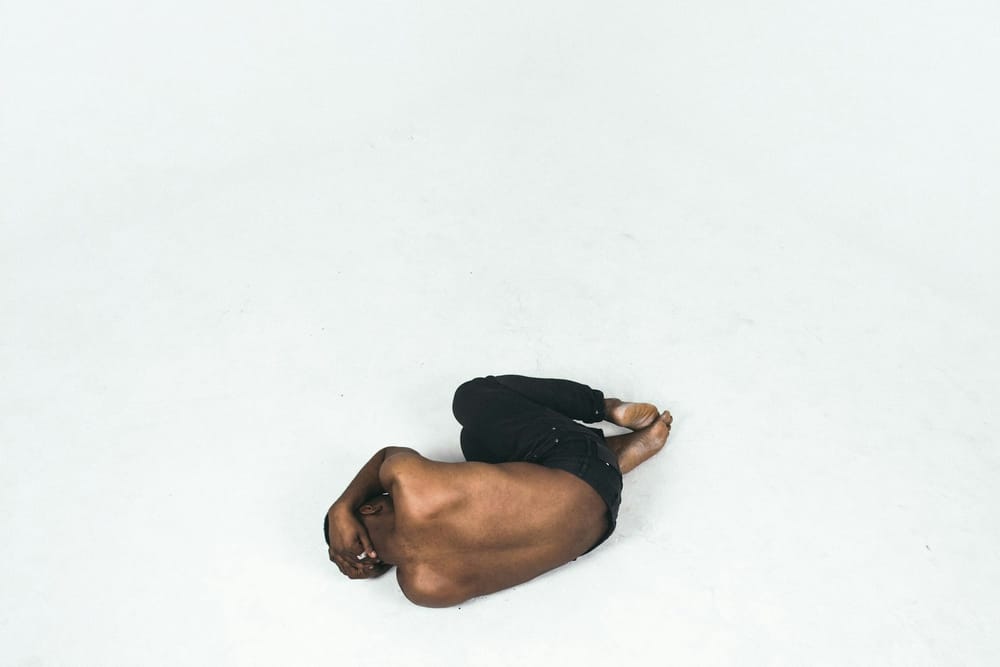
Most people don’t fail because they lack talent, intelligence, or opportunity.bThey fail quietly — while overthinking, waiting, and rehearsing a life they never fully stepped into.
And the reason isn’t laziness. It’s not lack of discipline. It’s not even fear of failure.
It’s fear of judgment. That subtle, ever-present voice asking: What will they think?
The hesitation before posting, speaking up, changing direction, or starting something new. The invisible brake that slows your growth just enough to keep you “safe” — and stuck.
Fear of judgment doesn’t announce itself loudly. It disguises itself as being “strategic,” “humble,” or “not ready yet.” But make no mistake: it’s one of the most powerful forces shaping your decisions.
And most of the time, it’s doing so without your permission.
The fear of judgment isn’t weakness — it’s biology. For most of human history, belonging wasn’t optional. Being rejected by the group meant isolation, and isolation often meant death. Your nervous system still carries that ancient wiring. So when you imagine being criticized, embarrassed, or misunderstood, your brain reacts as if your safety is at risk.
That’s why judgment doesn’t feel like an intellectual concern. It feels physical. A tightening in the chest. A hesitation in the throat. A sudden urge to retreat.
The problem is that modern life doesn’t work like ancient tribes. Today, growth requires visibility. And visibility invites judgment.
Fear of judgment becomes paralyzing when opinions stop being feedback and start feeling like definitions. A comment isn’t just a comment — it becomes a verdict. A critique isn’t just a critique — it becomes proof. Disagreement feels like disqualification.
When this happens, your sense of self becomes fragile. You start managing perception instead of building substance. You choose silence over clarity, safety over truth, and approval over progress.
The irony? The more you try to avoid judgment, the more power you give it.
Here’s an uncomfortable truth that’s also deeply freeing: most people aren’t paying nearly as much attention to you as you think. They’re busy worrying about their own image, their own mistakes, their own fears. The spotlight you feel is largely imagined. Psychologists call this the spotlight effect — the tendency to believe others are far more focused on us than they actually are.
Fear of judgment thrives in this illusion. It convinces you that one misstep will define you forever, when in reality, it barely registers in anyone else’s memory.
Perfection Is Just Fear in a Fancy Suit
One of fear of judgment’s favorite disguises is perfectionism.
“I’ll start when I’m ready.”
“I just need to refine this a bit more.”
“I don’t want to put out something half-baked.”
But readiness isn’t a prerequisite for action — it’s a result of it.
Confidence doesn’t come from preparation alone. It comes from repetition, exposure, and survival. You don’t think your way into courage. You act your way into it.
Fear of judgment convinces you that you must be polished before you’re visible. Growth demands the opposite: visibility before polish.
Every person you admire has been judged — often harshly — long before they were respected.
They were misunderstood before they were celebrated. Questioned before they were trusted. Criticized before they were proven right. The difference isn’t that they didn’t feel fear. It’s that they refused to let fear decide.
Judgment is not a signal to stop. It’s often a sign you’ve stepped outside the comfort zone where nothing meaningful happens.
Here’s the shift that loosens fear’s grip: Judgment is not a threat — it’s a toll. You don’t pay it because you’re doing something wrong. You pay it because you’re doing something visible.
People who do nothing are rarely judged. People who build, speak, lead, and create always are. If no one has an opinion about what you’re doing, there’s a good chance you’re playing too small.
Fear of judgment doesn’t disappear when you wait long enough. It fades when you prove — through action — that you can survive it. And once you do, something powerful happens: You stop living as a performance for others and start living as a commitment to yourself.
That’s not recklessness. That’s freedom.