
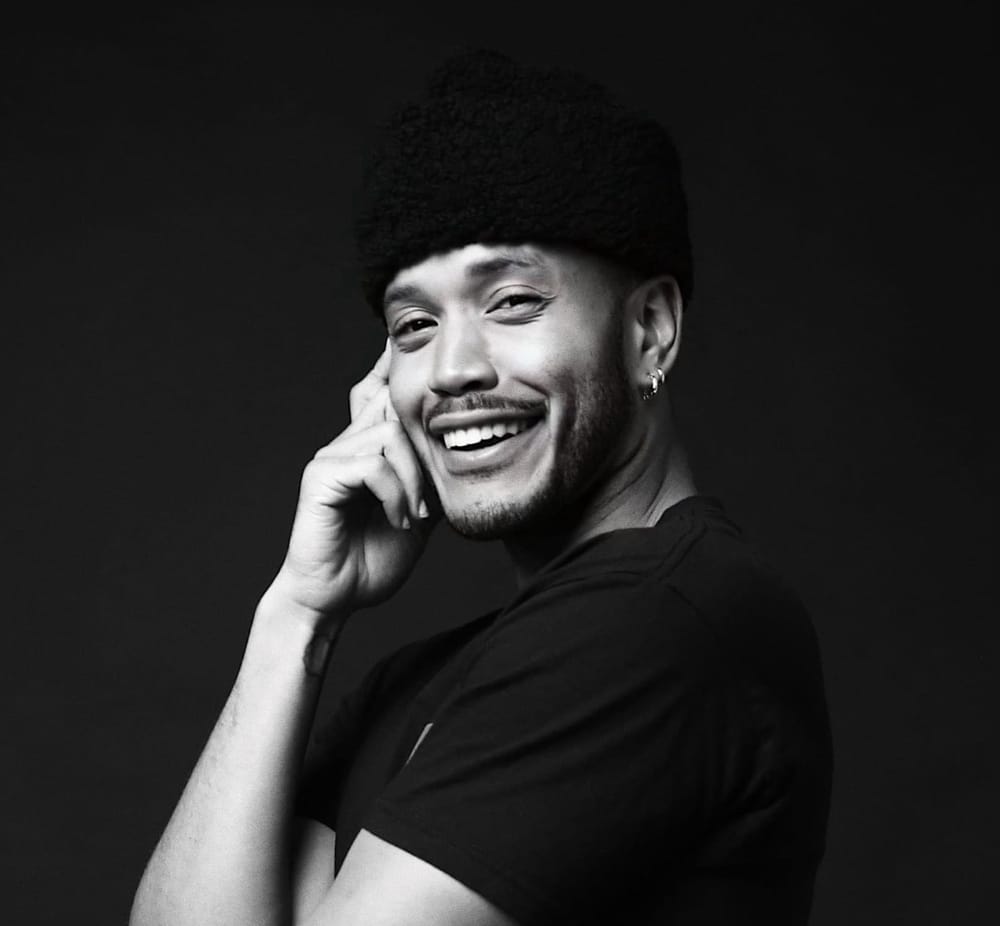
Cameron J. Ross has an elite pen.
The screenwriter, who is also an actor, understands women deeply. His new film, Be Happy, is written with emotional heft and a keen grasp of the female psyche, especially the experience of a 50-plus house mom who poured her life into her husband and kids and has nothing left for herself as she enters empty nest life.
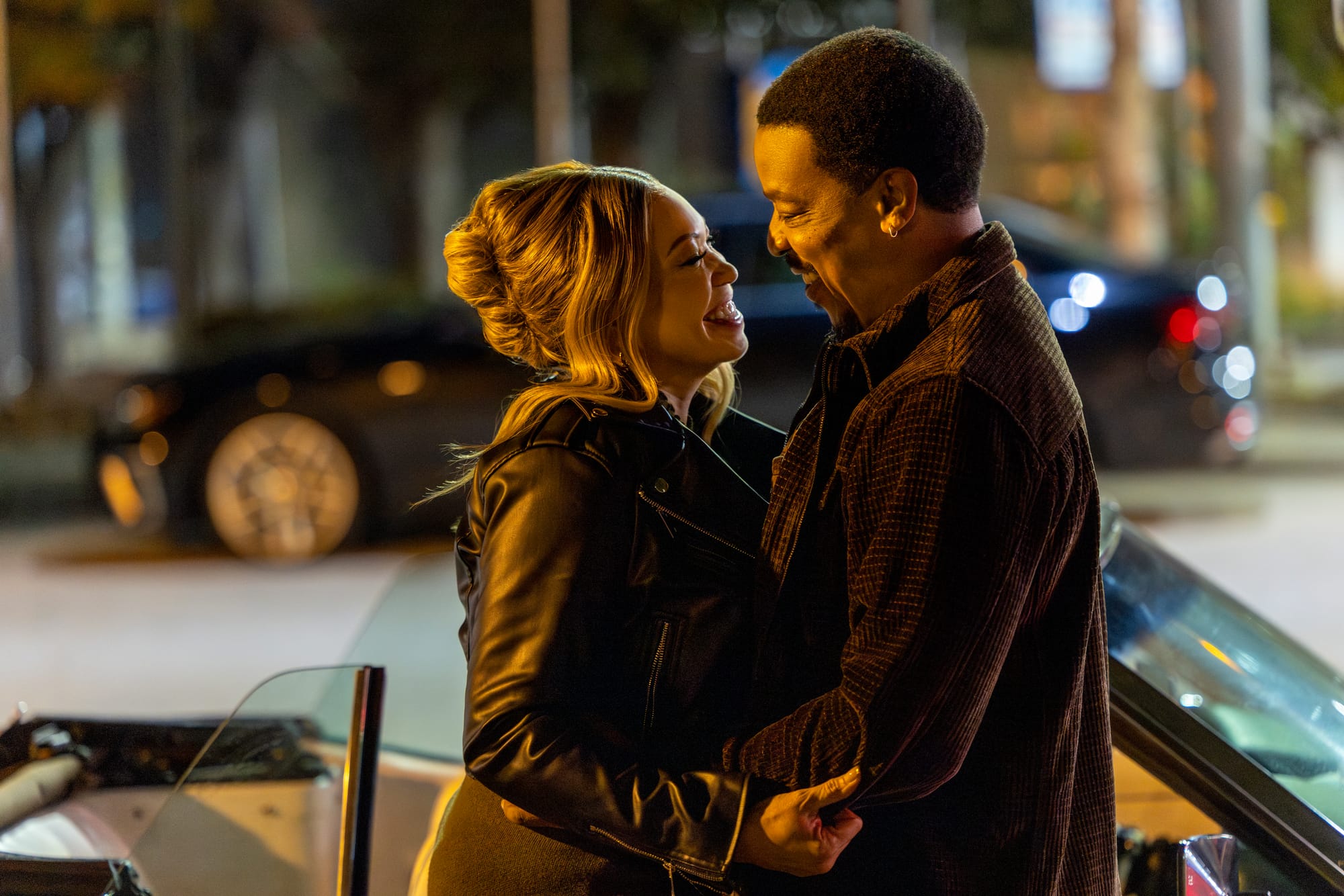
Tisha Campbell, whom Ross calls his muse, plays Val, whose husband (Russell Hornsby) would rather tinker with his car than satiate her sexual needs. The couple hasn’t had sex in over two years. While Val finds fault in this, her husband is content to continue a sexless marriage. So she ventures to New Orleans to stay with her daughter and find her groove and sense of self.
Executive produced by emotional queen Mary J. Blige, the Lifetime film, tackles middle-aged themes not often explored within Black families. Ross nails this coming-of-age story and examines infidelity in a way that will spark healthy conversation among men.
LEVEL sat with the multi-hyphenate to explore the big feelings in the film and probe the dynamic of sexless marriages.
LEVEL: Do you remember the first time you heard MJB’s “Be Happy”?
CAMERON J. ROSS: It had to have been played by my parents in the car. My dad ran the music in our household. He probably introduced me to it in the car when we were going on road trips. Mary J. Blige was the go- to for road trips.
The song fits perfectly with the theme of this film.
Mary has a song for every human emotion. I knew that I was doing this explorative, coming of age story — continuing to age and feel great about life after motherhood, life after abandoned dreams and goals. What does it mean to be happy with yourself when everything that has been attached to you is no longer there. And with a focus on a marriage, it just felt like the perfect song.
The ways that you placed it as an origin point of their relationship was nicely done.
A lot of black women resonate with Mary. So having her be the catalyst of the first time this couple find [love] back in college [made sense]. That’s when they realized they want to spend the rest of their lives together. It was just a perfect song, a perfect sound, a perfect artist to be the anchor of this story.
Val’s husband has a low sex drive. Men feel shame when that happens. What’s the proper way to deal with that in a relationship?
It's a very sensitive subject. It feels like their manhood is being taken away from them. It chips away from them feeling grounded and confident. The way I try to approach that [in the film] is creating space for a husband to be able to have these types of conversations with their partners so that there is room for understanding, compassion, and growth within that process because essentially the goal is to have a partner that is there to create some type of safety.
Can a sexless marriage work?
Do I personally believe a sexless marriage could work? Generally no — intimacy is a part of that program. I also recognize that intimacy varies in [importance] across marriages; not every relationship needs the same balance. But I do think intimacy is important.
There is sympathy for the character, Val. But then she has an affair. How do you want the audience to feel in that moment?
We debated whether she should have the affair. Once we decided she does, the next question was whether she tells Ross. I had to decide what was more important: her sharing what she did to become who she is, or Ross witnessing her evolution. For me, it was more important that he sees her transformation—her confidence in her body and sexuality—than that he know about the specific act.
You’ve really done the research as it relates to middle-aged sex and relationships.
I've held all these focus groups with black women in their 50s, and we had conversations about sexuality quite a bit because I only know so much as a black man, but I wanted to make sure that women who were watching felt that [the film] was grounded and real.
How long were the focus groups?
Like a five-hour conversation — a lot of emotional stuff. I'm sure a lot of those women shared with me information that their children didn't know, that their husbands didn't know, but also they were like, "this is a part of what made me the woman I am today." I wanted to have a moment like that.
I would have loved to have been a fly on the wall in those focus groups.
It started off pretty mild, but as we continued to drink wine and I had all these questions. it became this therapeutic moment where these black women left the space with this feeling of sisterhood, feeling seen and not alone in their experience. I hopeI did this story justice to where there are other black women watching this and saying like, "Yo, I feel seen by this.”
Watch the romantic drama tonight on Lifetime.