
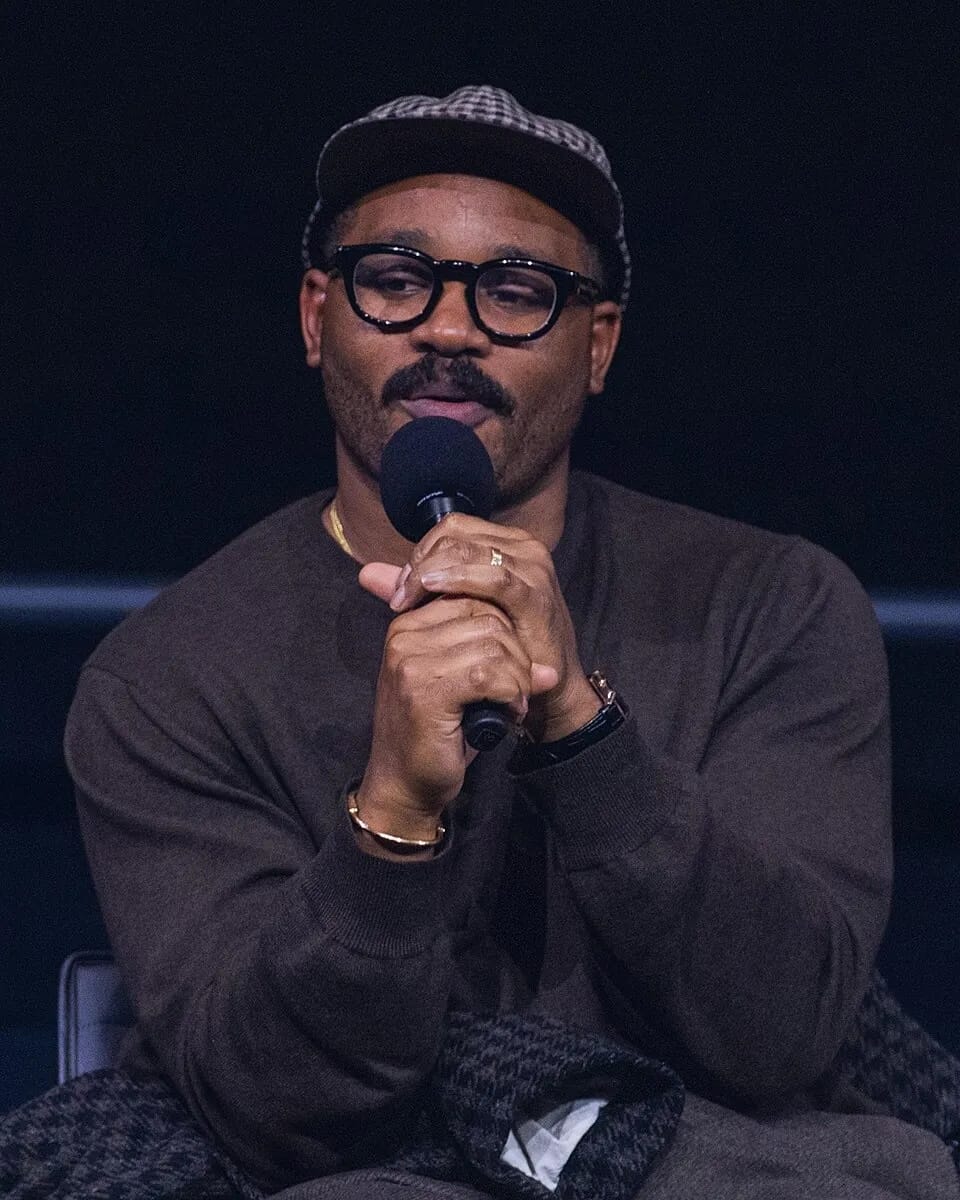
Ryan Coogler made a masterpiece with Sinners. I don’t throw that claim around lightly, especially for newer work. Not only did he create a piece of art that was true to him but he was also able to accomplish it in a way most Black directors are never allowed.
Coogler secured a rare deal in which he will get his movie rights back from Warner Bros after 25 years. On top of this, the movie was nominated for 16 Oscars and won four.
I’m not an Oscars person, but I remember #OscarsSoWhite, and I know horror films rarely receive any type of love. Sinners was nominated 16 times while being a horror film directed by a Black man. Furthermore, Sinners is so Black in the best way. It shows love to the culture while also being a unique piece of art only Coogler could have created.
It is rare that a movie moves me, but Sinners did it.
Of course, the movie had its critics. People who didn’t really sit with the movie called it demonic. However, the movie was so good that most of that passed. This is why I was so surprised to hear Coogler was being canceled after the Oscars. My brain immediately assumes he made some extreme political statement, or something like that.
Not the case.
People are mad because he didn’t have someone vogue in the dance scene.
The dance scene in Sinners is probably my favorite segment of any movie ever. It is that good. It made my eyes water, and I haven’t cried in decades.
It was powerful.
Voguing is a form of dance created by the Black LGBTQ community. The real issue here isn’t a missing dance, but missing representation. Some feel Coogler failed by not representing the LGBTQ community in his movie. Although I think my previous works speak for me, I am a straight cis man. My voice can only go so far on this topic. Please call me out if I’m out of pocket.
From my understanding, this conversation started innocently enough. It was wishful thinking. I wish there was a nod to the LGBTQ community in that scene. It quickly devolved to people claiming it was Coogler’s responsibility to display LGBTQ representation and then to claims that he was homophobic.
We can always use more LGBTQ representation, but why are we having this conversation almost a year after Sinners premiered not to mention Coogler’s big moment at the Oscars?
When I first saw the complaints about, I assumed it must be white people. (I apologize, white people). Nope, as far as I can tell, these are Black people.
I don’t want to diminish anyone’s thoughts, especially those having a genuine conversation, but the timing feels like a crabs in a barrel moment. This Black man is too successful, and we need to find a way to drag him back down.
For those who aren’t dragging him down, they are placing the weight of an entire culture, an entire people, on his back. It doesn’t matter how limited your experiences are, Coogler, tell my story too!
I write fiction. My worlds always have LGBTQ characters, disabled characters, and so on. However, sometimes you need to narrow your focus. When you are telling a specific story, the LGBTQ character across the street may not feel the need to tell the protagonist in the 1930s that they are gay, or maybe the protagonist doesn’t even make it across the street to talk to that character.
I’m not saying that we don’t need more representation, but I’m saying we can’t put that weight on everyone for every piece of art they create, especially a Black man who literally just broke a glass ceiling.
I think the dance scene, in particular, being so powerful, led to this conversation. Everyone wants to feel included. For those who have not watched the movie (go watch it), as the music swells, dancing from the past, present, and future coalesce in this 1930s club.
Of course, this doesn’t scratch the surface of every Black dance or represent every Black group. It was never meant to, but it is so effective. This is why people are still talking about it.
It is especially insidious that people are trying to figure out Coogler’s politics around the LGBTQ community. I’ve never heard any other director called out in this manner unless they said or did something homophobic.
I don’t know Coogler, but he has never given that vibe. He has had minor gay characters in other films, and if not for this conversation, I would have guessed some of the characters in Sinners were LGBTQ. Are you telling me Remmick never hooked up with a guy?
There is nothing wrong with criticizing a great movie. We should critique the things we love. However, I question the motive when used to tear down a Black man at his highest moment. I question the intent when assumptions are made about his character based on an omission in a focused piece of art.
If the goal is more representation, let’s keep it focused and aim at the people pulling the strings. If the goal is the desire to tear down everything, especially successful Black people, at least be honest about it.