
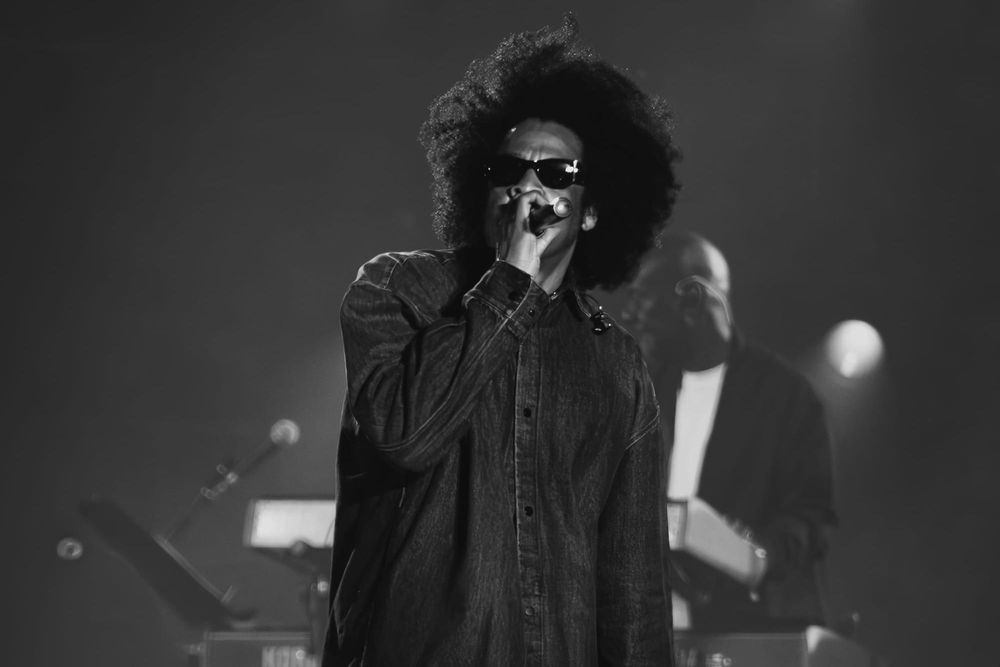
Picture two rooms. In one, a 30th-anniversary pressing of Reasonable Doubt sits on a Target shelf: new vinyl color, a few unreleased tracks, a corporate logo on the shrink wrap. In the other, Clarence Thomas signs his name to another decision that thins the Voting Rights Act. This week, online, the first room is the scandal. The second barely trends. That gap is the whole problem, and it is not Jay-Z’s.
Jay-Z’s Target play is a limited, anniversary-edition retail deal built around Reasonable Doubt. It is not a secret contract to drag Black America back into a “traitor” big-box store. Treating it as the gravest betrayal facing Black people in 2026 is politically unserious, given what Thomas, Black Trumpism, and the GOP’s Black surrogates are doing in the places that actually govern our lives.
Start with the actual deal
Let’s get the facts on the table before we start calling names. Target is rolling out an exclusive 30th-anniversary edition of Reasonable Doubt: special packaging, a unique vinyl color, and previously unreleased versions of a few tracks. You can only buy that edition at Target, the same way artists have done Best Buy-only, Walmart-only, and iTunes-only drops for years.
So that is the deal. A boutique collector’s item with a corporate logo on the shrink wrap, not a long-term co-ownership of the Black vote. The critics attacking Jay-Z are filling in the blanks with their own resentment and calling it fact. They are mad at Target for rolling back DEI and LGBT+ support, which is fair. Then they turn Jay-Z into the mascot for every decision Target has made since. That is not analysis. That is projection.
Boycott logic and who we erase
I support the anger behind the Target boycott. Black clergy and community leaders called for it when Target folded on DEI, and it was making a dent. But if the argument is that anyone who does business with Target betrays Black people, then say it all the way out loud. The line includes the Black employees on those floors, the Black managers running those stores, and the Black-owned products already on those shelves.
You do not get to pretend the only Black person in this picture is Shawn Carter. Target’s workforce is not a white monolith just because Instagram is mad at corporate PR this week. People living check to check inside that red shirt do not vanish because we decided Jay-Z is the more satisfying villain. If the rule is that no Black person should ever take a Target check again, own it. Don’t carve out an exemption for working-class folks while you hammer the billionaire and call it principle.
And the author of the op-ed never stops to ask the strategic question: what is the endgame? Boycott as pressure is one thing. Boycott as religion, where any point of contact with the company becomes sin, is something else. If the goal is to move Target and not just feel pure, there is a conversation to have about how Black cultural power and Black consumer power get deployed together, including through high-profile partnerships that come with demands attached.
Jay-Z’s deals are more than a check
This is where I part ways with the idea that Jay-Z is just cashing a check and spitting on the community on his way to the bank. He has never hidden that he is a capitalist. The man walked into the game telling you he was a businessman, then corrected the line to “I’m a business, man.” But for decades, he has also been a pipeline and a shield for Black artists and Black causes.
Anytime someone starts with, “I’m not hating on…”, they are most likely doing just that with their commentary. They know what their words mean. They know how it sounds to you. They also know because they have been on the other side of the “hating” and accusations.
“Game recognize game.” You're never too tall to be reached, especially when the other person is standing on business. You're not above taking shots if you're dishing it out. That comes with the territory.
It’s not about winning an argument or even a competition. It’s about the narrative and letting the reader sort it out for themselves.
At the barbershop, we say “your side, then its my side and what’s left outside.”
His job here is not to herd Black shoppers back through Target’s doors. For thirty years, his deals have done something else: turned his own access into other people’s paydays. His Roc Nation infrastructure rode shotgun for Meek Mill when the Pennsylvania parole system tried to grind him into dust. Whatever business disagreements they had later, Meek’s case became a national conversation because Jay-Z turned a Philly rapper’s legal nightmare into an indictment of the parole state. That money and that pressure went on to back criminal-justice reform from individual cases to broader campaigns.
In music, he has been one of the few A-list owners willing to get loud about streaming economics, artist control, and the difference between exposure and exploitation. His fights over compensation and equity were about who owns the pipes and who gets paid when Black music feeds Spotify, Apple, and the rest. Argue with his execution if you want. Pretending his business mind has never turned toward Black artists’ advantage is dishonest.
Then there is the NFL deal everyone swore would end his credibility. That partnership helped move Kendrick Lamar and Bad Bunny onto the Super Bowl halftime stage. Black and Brown artists with political teeth, performing inside the whitest corporate spectacle in America. That counts for something. Jay-Z has used institutional partnerships before to smuggle Black culture and Black political subtext into rooms that were never built for us.
Micro-outrage versus macro-betrayal
Now zoom out. While social media has you screaming about a Reasonable Doubt vinyl in aisle 7, Clarence Thomas sits on the Supreme Court, signing off on the slow demolition of voting rights and any federal guardrail that ever restrained state-level racial backlash. He joined the Shelby County v. Holder majority that gutted the preclearance system holding discriminatory voting laws in check, and wrote separately to go further. In his Dobbs concurrence, he urged the Court to reconsider the rulings that protect contraception and marriage. Black Trump supporters carry water for a man who wants to point the DOJ at his enemies and has made clear that “law and order” means what it has always meant: state violence aimed down the hierarchy.
Tim Scott runs as if racism is a solved math problem, proof that America “isn’t a racist country” because he personally holds a Senate seat. Byron Donalds praises antebellum Black family structures and launders nostalgia for a party that still chokes on the phrase “Black Lives Matter.” These men are not selling collector’s vinyl. They are selling policy: judicial nominations, budgets, and bills that will lock in disparities in housing, education, policing, and health for decades.
So the betrayal that demands my full moral energy is an anniversary edition of Reasonable Doubt sold at Target? That is like standing in a burning house and yelling at the man who hung a painting you don’t like in the hallway.
If the author cared about Black economic and political survival, they would put more heat on the Black faces fronting policies that strip our people of the vote, bodily autonomy, and economic protection than on a mogul cutting a retail deal for nostalgia vinyl.
Two truths, one grown-up conversation
Here is the grown-folks version the op-ed refuses to hold: two things can be true at once.
One. The Target boycott was a real pressure tactic, and a high-profile Black partnership risks muddying that pressure. The optics are bad, the timing is clumsy, and the community has every right to be disappointed and to demand better.
Two. Jay-Z is not a sellout whose only function is to lure Black people back into a store. His deals tend to carry a second layer: a platform for other artists, visibility for Black culture, sometimes a lever for Black causes. From Roc Nation’s parole-reform push to his streaming fights to the NFL halftime stage, he has turned personal access into participation for other Black and Brown artists and communities.
We can argue about whether he threaded the needle this time. We can demand that if he puts his name on Target’s shelves during a boycott, he owes us transparency on what he asked for in return: investment in Black neighborhoods, stronger DEI commitments, protections for Black employees, something. That is the conversation worth having.
What we cannot do, if we are serious, is pretend one retail partnership equals a Supreme Court justice eroding civil-rights precedent, or a Black congressman validating a party trying to erase Black political power. We cannot scream “betrayal” at Jay-Z while whispering about Clarence Thomas.
If your article can spend three or four angry paragraphs on a Target-exclusive record and never once mention voting rights, abortion access, police violence, or economic policy, the problem is not Jay-Z’s priorities. It is yours.