
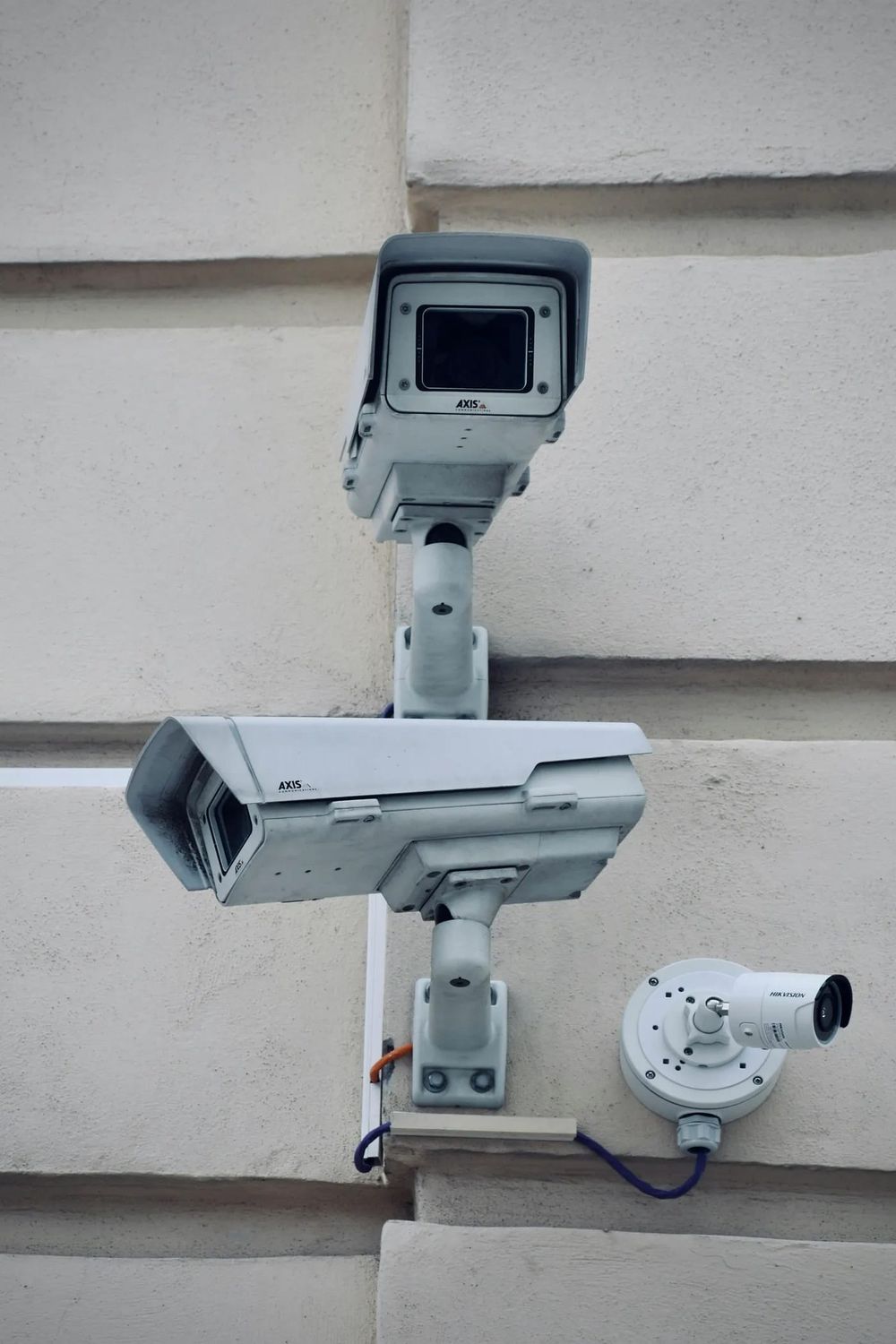
Syracuse’s Common Council did the right thing on paper. In March 2026, the city revoked Flock Safety’s operating rights after Syracuse Police got caught spilling driver data to thousands of outside agencies through Flock’s national network. Sixty days to pull the cameras down.
Here’s the part the press release skipped. A month before that vote, the same council had already signed a five-year, $422,636.28 contract with Axon Enterprise. New cameras were rolling into position before the old ones came off the poles. Same streetlamps. Same intersections. Same job.
That’s what “getting the Flock out” looks like in a lot of American cities right now. Not less surveillance. A different logo on the invoice.
A Santa Clara County supervisor said it out loud on the way out of their own Flock contract: “Alternative vendors are not necessarily any safer.” He’s right. Syracuse proves it.
Ask Daniel Schwarz at the New York Civil Liberties Union. He’s been trying to see Syracuse’s Axon contract for six months. He can’t. He’s been asking for the police department’s ALPR policy for the same six months. He can’t get that either. The city’s Surveillance Technology Working Group, the body supposed to vet all of this, hasn’t met since early 2026. The vendor changed. The oversight is still nothing.
“All these vendors present surveillance risks and present opportunities for abuse,” Schwarz told CNY Central. That’s the whole thing. Flock’s problem was never that Flock is uniquely dirty. Flock’s problem is that the ALPR model is a mass-surveillance product with a “public safety” sticker. Axon does the same job with different-colored cameras.
Axon’s cameras mount to existing streetlamps and blend in on purpose. The pitch is an integrated ecosystem: body cameras, drones, real-time crime centers, license plates. One vendor holds the strings for all of it. That’s the same centralized-database problem Flock had, shipped in a bigger box.
Axon isn’t a bystander to what comes next. On February 10, a trust managed by Donald Trump’s children bought up to $5 million in Axon stock. On February 24, fourteen days later, ICE posted a $220 million notice for roughly 17,800 new Tasers, with specs aligned with Axon’s TASER 10 and excluding competitors. The White House told CNBC there is no conflict of interest. Deborah Fleischaker, a former ICE chief of staff, called the timing a red flag. Whatever you make of the president’s stock portfolio, the surveillance vendor most cities are switching to right now is the same vendor his administration just cut a $220 million immigration-enforcement check to.
In Florida, Governor Ron DeSantis approved roughly $4.6 million in state grants for 18 local agencies to buy license plate readers specifically for immigration enforcement, while publicly warning voters about a “digital AI surveillance state.” This isn’t a Florida story or a Washington story. It’s the same story running at two levels.
The person actually trying to fix this in New York isn’t a police chief or a mayor. It’s State Assemblymember Pamela Hunter. Her bill would cap ALPR data retention and require a warrant before federal agencies can access it. That’s the model. Statute, not vendor. Judge-signed warrants, not vendor policy. Retention set by law, not by whichever company won the last bid.
Without that, every “we dumped Flock” story is going to end the way Syracuse did. One contract closes. Another one opens. The cameras never stop reading plates. The data still goes somewhere you can’t audit. The people you can’t hold accountable still get to hold it.
The curtain doesn’t come down when you fire the vendor who hung it. It comes down when a law forces it down.