
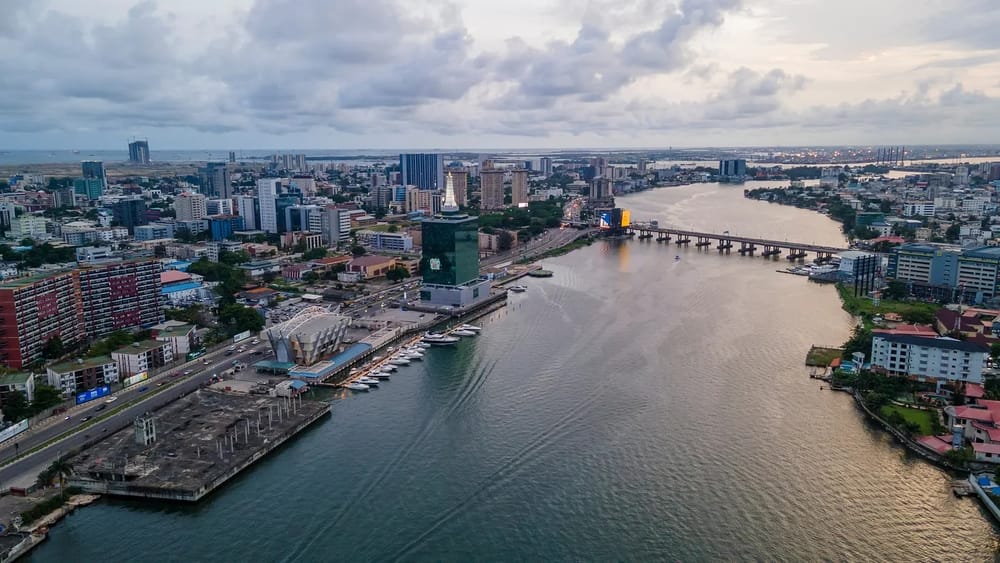
There are two major stories unfolding on the African continent right now — both largely overlooked by the Western world.
One is inspiring. The other, devastating.
Across Africa, remarkable progress is happening.
In Ghana, entrepreneurs are applying AI to detect cocoa diseases, expand credit access in finance, and improve cybersecurity and voice services. The country's national AI strategy is integrating AI, robotics, and blockchain technology across the nation. Its new One Million Coders initiative aims to cultivate a generation of digital innovators.
In Ethiopia, the Grand Ethiopian Renaissance Dam—the largest hydroelectric dam in Africa—was inaugurated in September 2025. It will generate 5,150 megawatts of power, electrify rural regions, and position Ethiopia as a major energy exporter.
The Green Legacy Initiative has planted over 40 billion trees, increasing forest cover by more than 8% in five years. Ethiopia has also banned the import of non-electric vehicles, signaling a bold move toward a cleaner, greener future.
In Nigeria, innovators created the Ubokobong Bionic Arm—a hyper-realistic prosthetic designed for Black skin tones that responds to muscle and nerve signals via electromyography. Nigeria has also signed major renewable energy deals to bring sustainable power to millions.
In Namibia, the government now has the world’s first female-majority cabinet, with the president, vice president, and eight of 14 ministers being women.
Yet few in the West are booking trips to these countries. These accomplishments rarely make headlines. Africa is seldom portrayed in a positive light.
Shouldn’t we tell the stories of African nations excelling in ways the so-called “developed” world has yet to?
Like Rwanda — which I visited a few years ago — it’s the cleanest country on Earth. Hands down.
In rural farming communities across the continent, I’ve seen neighbors sharing nearly everything.
Africa is not a monolith. It’s a vibrant mosaic of cultures, languages, and histories.
But what most nations share is an unmatched beauty — beauty in the land, and in the people.
God forbid we challenge the myths we were raised with — that Africa is “backward.”
And yet, another story is being ignored: a story of death, displacement, and persecution.
In Nigeria, tens of thousands of Christians have been murdered this year by Boko Haram and the Fulani. When I asked a Nigerian friend about reports of recent massacres and kidnappings in September 2025, he said his family is safe in the south, but the violence continues in the north.
“It’s so awful, and nobody’s doing anything about it,” he said, resigned to the silence of the world.
In Sudan, nearly 10 million people have been displaced by conflict. Hunger, disease, and the collapse of basic services are rampant. Reports tell of forced religious conversions. The Sudanese are getting hit from both sides—by the Sudanese Army, aligned with the Muslim Brotherhood (think Hamas), and the RSF, which has committed genocide against Black Africans.
Slavery, forced labor, and human trafficking still persist in Libya and Mauritania — met mostly with muted international condemnation and little action.
In Mozambique, civilians are being slaughtered, and Christians have been beheaded in recent months.
In the Democratic Republic of Congo, cobalt mining has reached near-slave conditions, with countless deaths. This year, ISIS militants massacred Black Congolese citizens.
When Africa thrives on its own, the world turns away.
When Africans are murdered or enslaved, the world looks the other way.
Dead Black bodies aren’t enough to stir global outrage.
But if 50,000 people were slaughtered in Paris, we’d mourn together and wave our flags in solidarity.
This is part of the same superiority complex the West has held toward Africa for centuries.
The West ignores Africa — its progress, brilliance, and pain. To Europe and America, Africa is valuable only for its labor, diamonds, oil, cobalt, chocolate, and gold.
That’s racism, laid bare.
This post originally appeared on Medium and is edited and republished with author's permission. Read more of Jeffrey Kass' work on Medium.