
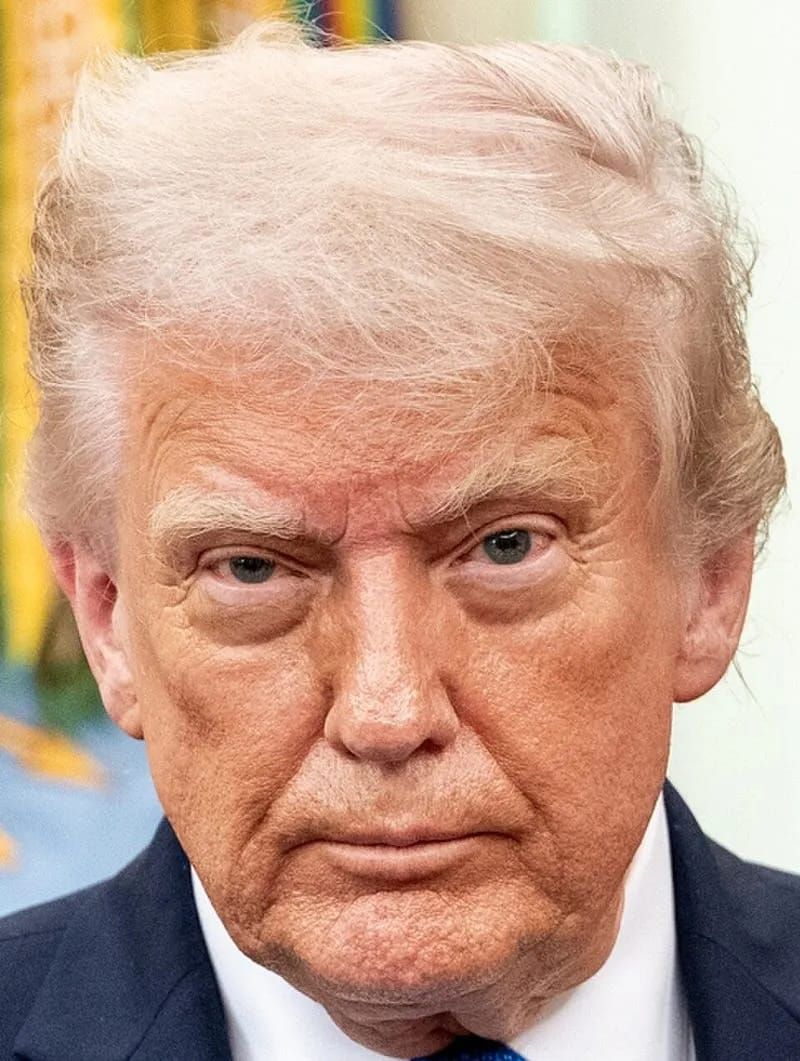
Every era produces a certain kind of public figure who seems to fall straight through the floor — caught in crimes, scandals, fraud, or self‑inflicted ruin so complete that their disappearance from public life feels guaranteed. And yet, a surprising number of them don’t disappear at all. They reassemble themselves, rebrand, re‑enter the spotlight, and in some cases climb higher than before. This list follows twenty such individuals: people who hit bottom in full view of the world, faced consequences that should have ended their careers, and somehow managed to rise back up. Their stories aren’t endorsements; they’re evidence of how reputation, power, narrative control, and public appetite for redemption can bend reality in ways that defy expectation.
1. Bill Clinton
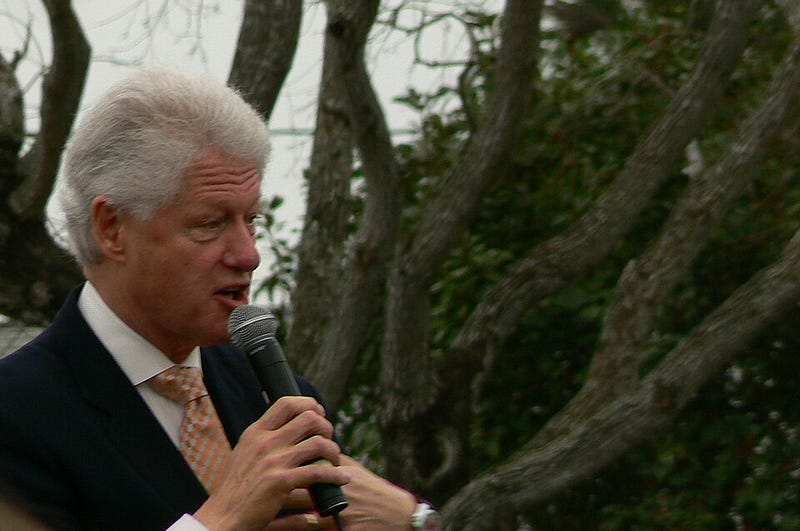
Bill Clinton’s survival of the Lewinsky scandal remains one of the clearest demonstrations of political resilience in modern American history. Caught lying under oath and facing impeachment, Clinton appeared to be cornered by evidence that would have ended most political careers. Instead, he leveraged a booming economy, disciplined messaging, and a public willing to compartmentalize his misconduct. Clinton left office with high approval ratings and rebuilt his stature through global philanthropy and diplomatic work. His post‑presidential life shows how power, narrative control, and public fatigue can allow even a seemingly fatal scandal to fade into background noise.
Clinton has come under recent scrutiny because of his presence in the Epstein Files, but for now, he isn’t catching many strays.
2. Marion Barry
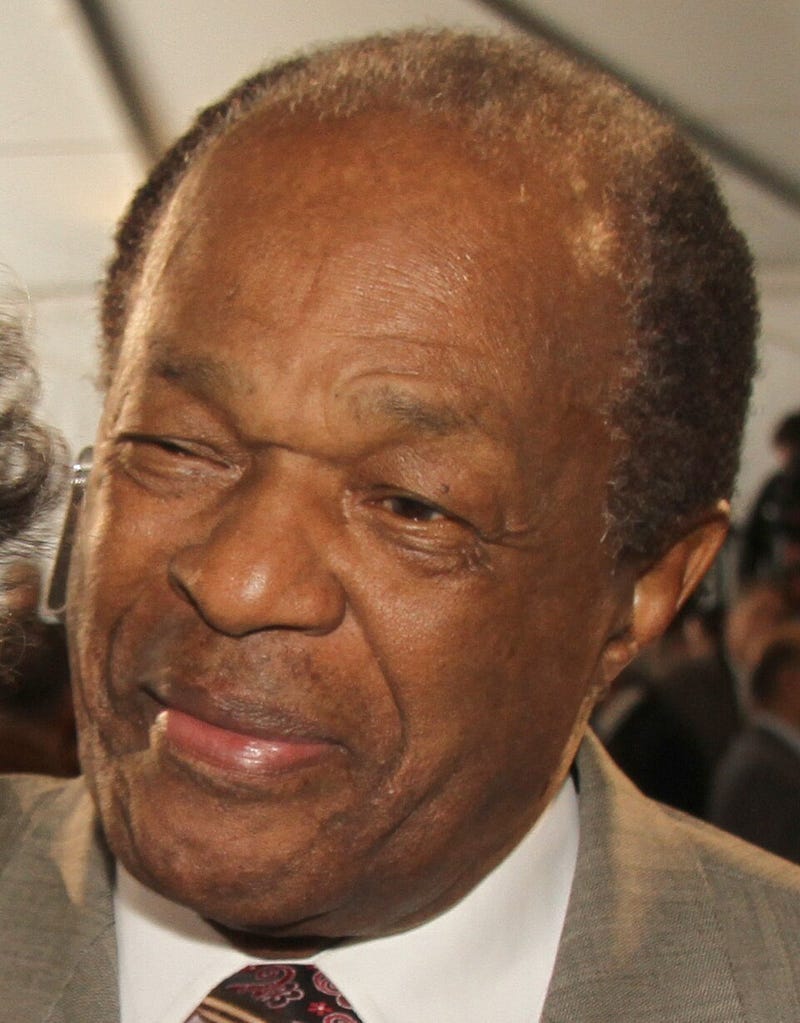
Marion Barry’s fall and rise are almost folkloric in Washington, D.C. history. After being caught on FBI video smoking crack cocaine, Barry served time in federal prison — a moment that should have ended his political life. Instead, he returned to the city he once led and was re‑elected mayor, buoyed by a base that saw him as both flawed and familiar. Barry’s comeback demonstrated how local loyalty, racial dynamics, and political memory can override even the most damning evidence.
Marion Barry died on November 23, 2014, at age 78, in Washington, D.C. Among many Black Washingtonians. Barry is remembered as a civil‑rights organizer, a jobs creator, and a champion of poor and working‑class Black residents.
3. Robert Downey Jr.
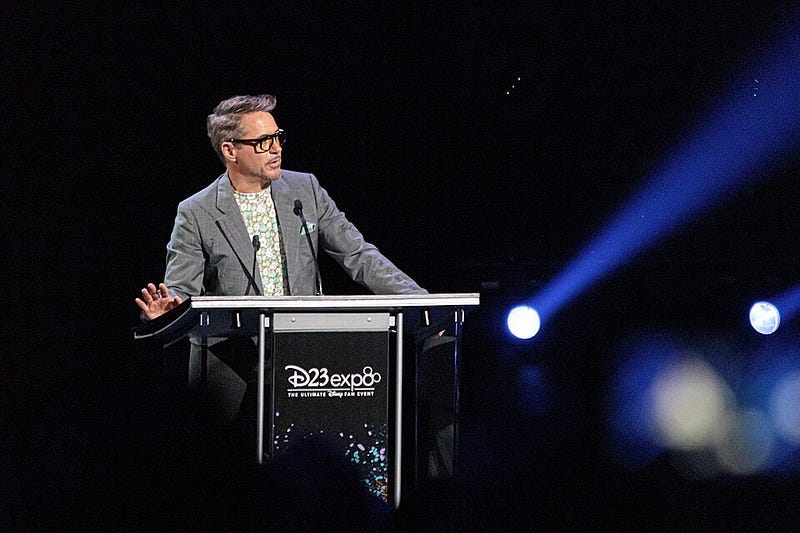
Robert Downey Jr.’s descent into addiction and repeated arrests in the 1990s made him a cautionary tale in Hollywood. He served jail time, lost roles, and was widely considered unemployable. His recovery — and eventual reinvention as Iron Man — is one of the industry’s most dramatic turnarounds. Downey leveraged discipline, therapy, and a carefully managed comeback to become one of the world’s highest‑paid actors. His trajectory shows how celebrity culture can forgive almost anything if the redemption arc is compelling enough.
Downey will be starring as Dr. Doom in the upcoming Avengers: Doomsday, guaranteed to gross over $1 billion in sales.
4. Martha Stewart
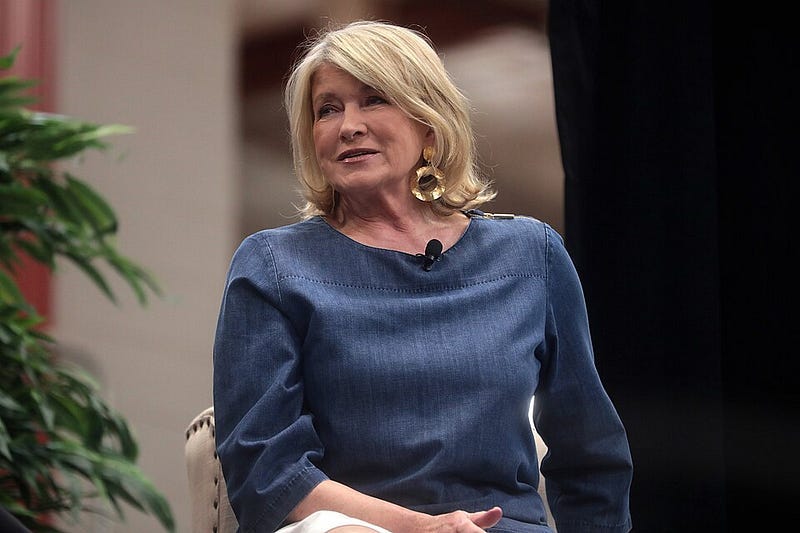

Martha Stewart’s insider-trading conviction briefly turned her into a punchline, but she emerged from prison with her brand intact and her influence undiminished. Stewart leaned into her sentence with a mix of humility and savvy, using her time away to reframe herself as both tough and relatable. Her return to television, publishing, and business demonstrated how a well‑managed scandal can become part of a larger narrative of resilience — especially when the public sees the punishment as disproportionate.
5. Kobe Bryant
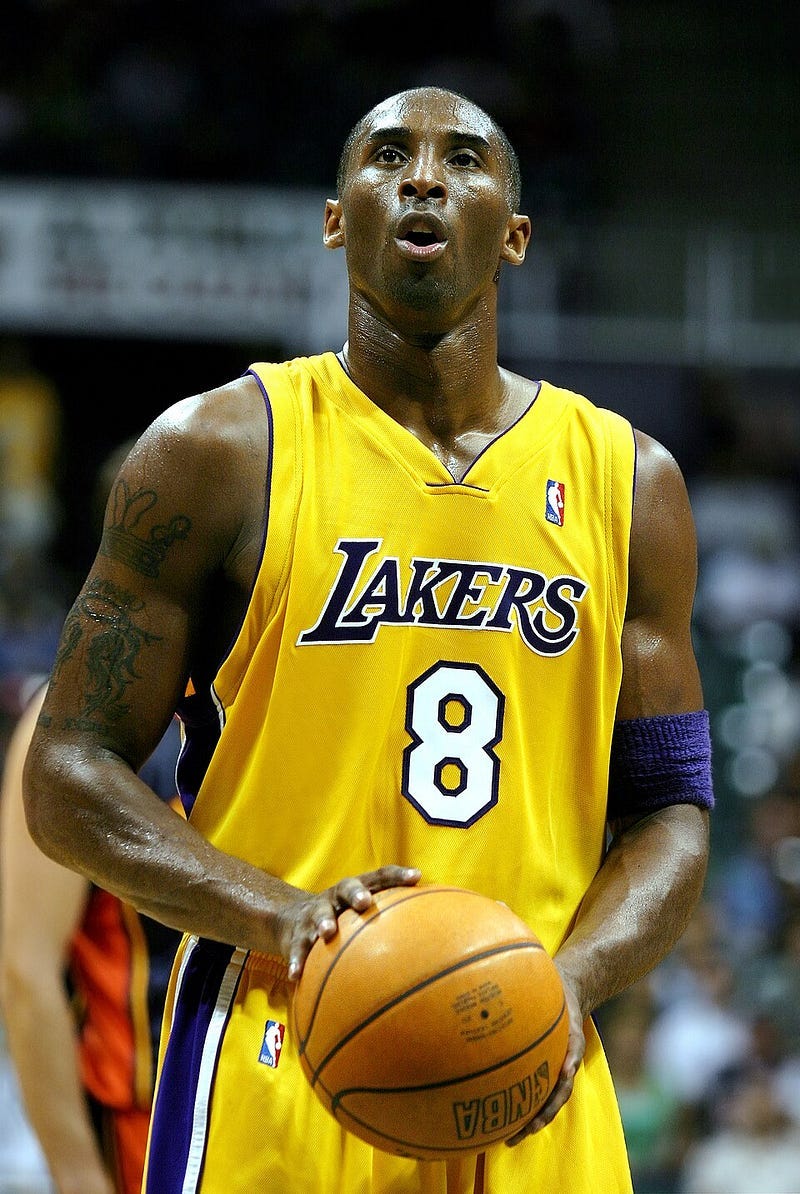
Kobe Bryant’s 2003 sexual assault case — which ended when the accuser declined to testify and a civil settlement followed — threatened to derail his career and legacy. Yet Bryant rebuilt his public image through relentless work, championship wins, and a carefully curated persona emphasizing fatherhood and discipline. By the time of his death, he had become a cultural figure celebrated far beyond basketball. His recovery shows how athletic excellence and narrative reframing can overshadow even the most serious allegations.
6. Hugh Grant
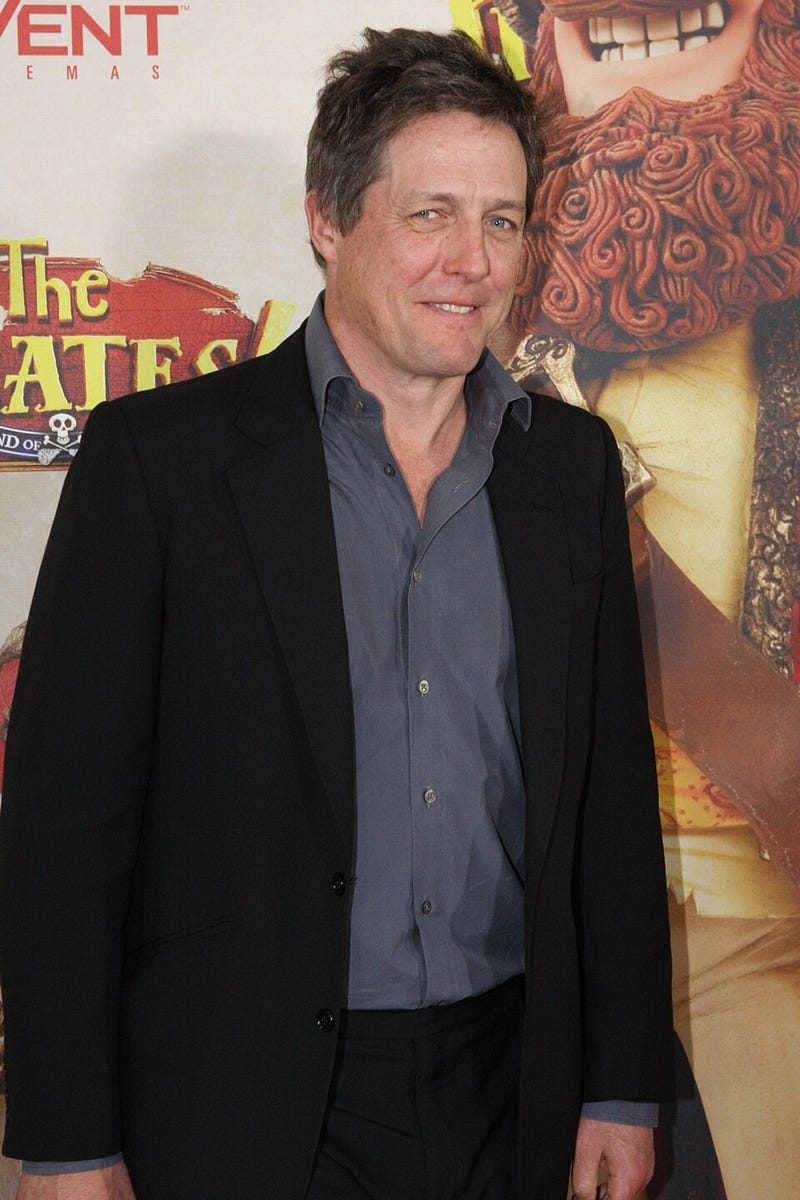
Hugh Grant’s 1995 arrest for solicitation seemed poised to end his rising career. Instead, he confronted the scandal head‑on, offering a public apology that was both awkward and disarming. Grant’s willingness to own the moment — combined with his continued success in romantic comedies — helped him regain public favor. Over time, he transitioned into respected character roles, proving that charm and self‑deprecation can neutralize even a tabloid‑ready scandal.
7. Winona Ryder

Winona Ryder’s 2001 shoplifting conviction led to a period of professional exile. Once a defining actress of the 1990s, she found herself sidelined by studios wary of the headlines. Ryder’s return came slowly, through selective roles and a refusal to chase the spotlight. Her eventual resurgence in Stranger Things reintroduced her to a new generation and reframed her earlier scandal as a footnote rather than a defining moment. Her comeback underscores how time and cultural nostalgia can rehabilitate a damaged public image.
8. Michael Milken
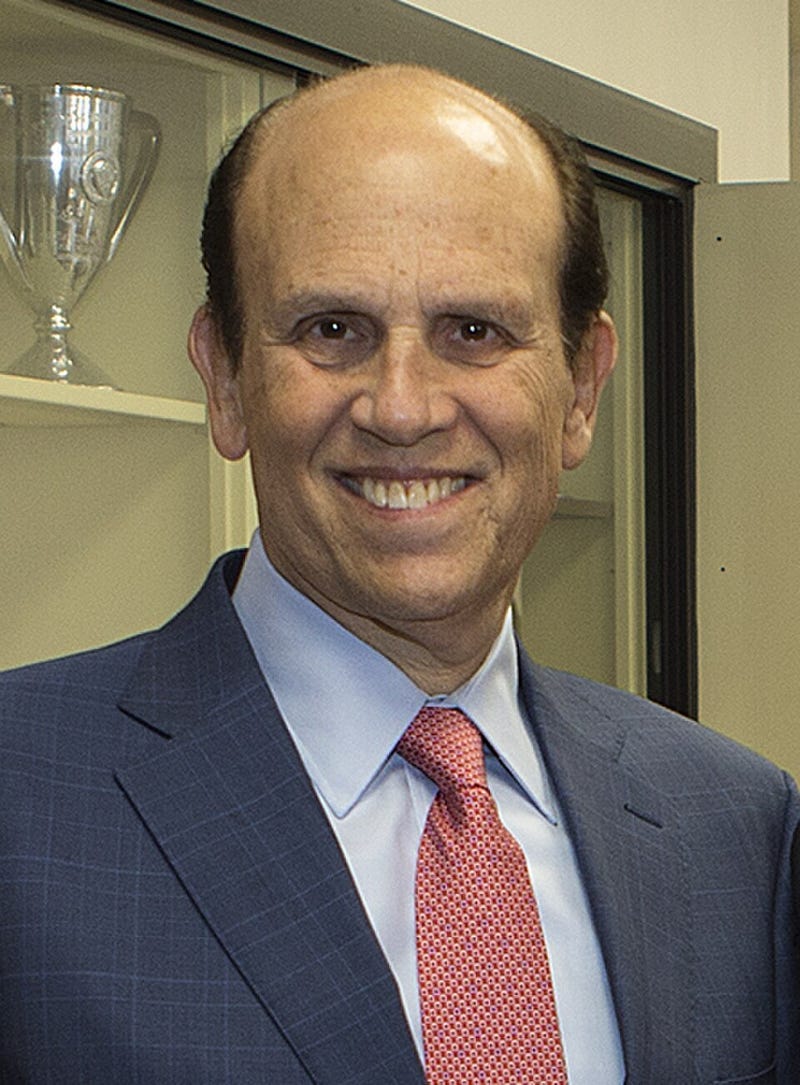
Michael Milken, once known as the “junk bond king,” was convicted of securities fraud and served prison time. His post‑release reinvention as a philanthropist and public intellectual is one of the most striking examples of reputational recovery in the financial world. Milken poured resources into medical research, education, and public policy, gradually shifting his image from corporate villain to benefactor. His trajectory shows how wealth, strategic giving, and time can reshape a legacy.
Milken recently opened the Milken Center for Advancing the American Dream (MCAAD) in Washington, D.C., a public institution dedicated to expanding opportunity through exhibits, research, and global programs. It sits directly across from the U.S. Treasury and reflects the themes of his lifelong work:
9. Jeffrey Skilling
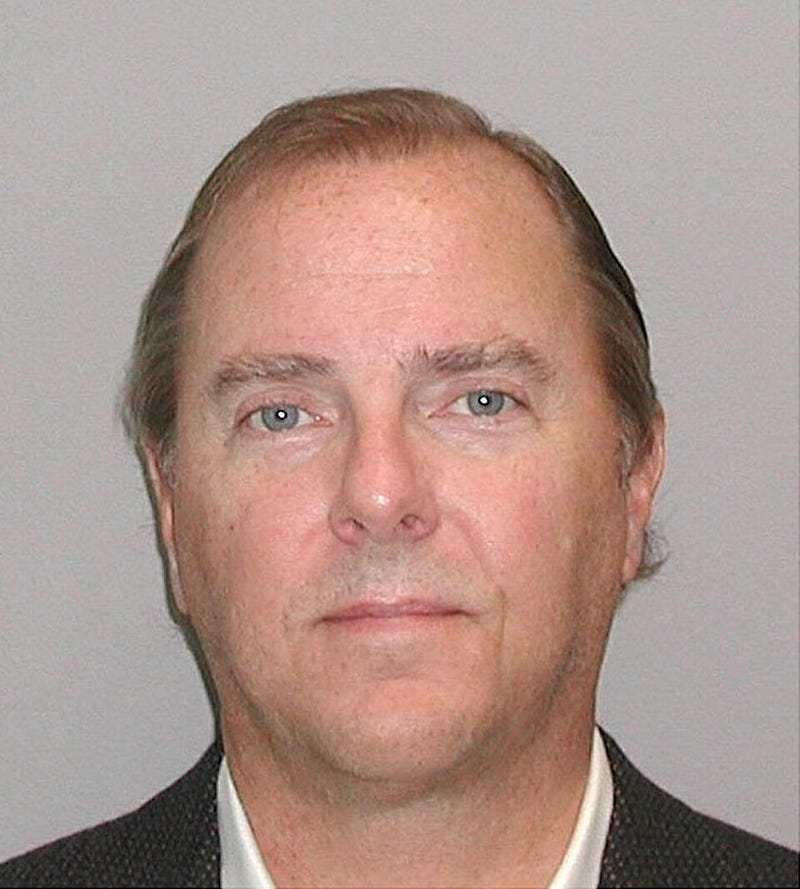
Jeffrey Skilling, the former Enron CEO, became synonymous with corporate fraud after the company’s collapse. Convicted on multiple counts, he served more than a decade in prison. After his release, Skilling quietly re‑entered business consulting, avoiding the spotlight but successfully rebuilding a professional life. His ability to reestablish himself—even in a limited capacity—shows how white‑collar offenders often find pathways back to influence once public attention moves on.
Jeffrey Skilling today lives a low‑profile, post‑Enron life centered on private finance, advisory work, and personal investments. After serving more than 12 years of his sentence and being released in 2019, Skilling did not return to public corporate leadership. Instead, he works quietly in private equity, energy‑related ventures, and consulting, focusing on risk management, operational efficiency, and energy‑sector strategy.
10. Eliot Spitzer
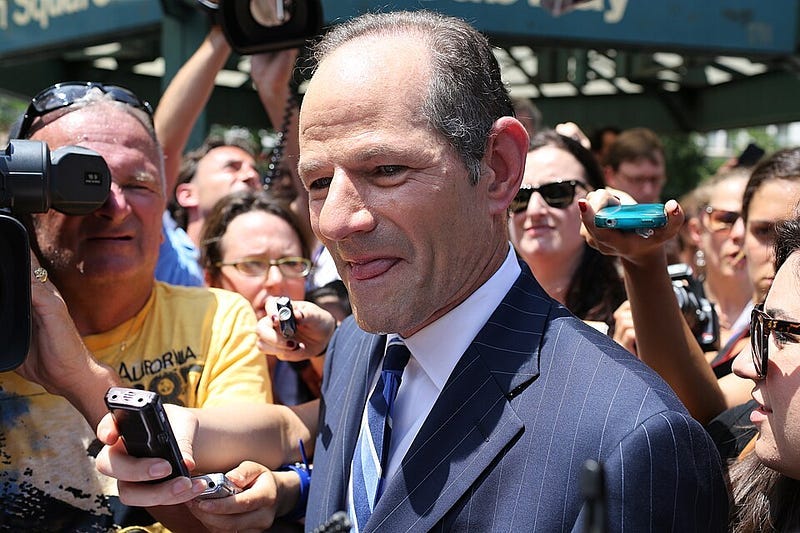
Eliot Spitzer’s resignation as governor of New York after a prostitution scandal seemed to end his political future. Yet Spitzer leveraged his sharp intellect and media presence to reinvent himself as a television host and commentator. Though he never regained elected office, he rebuilt a public platform and stayed relevant in political discourse. His recovery shows how scandal can be mitigated when a figure retains a strong professional identity outside of elected power.
Eliot Spitzer today is fully active in New York real estate development, running and expanding Spitzer Enterprises, the firm founded by his father. After resigning as governor in 2008, he pivoted almost entirely into the private sector, where he has become a significant — if controversial — figure in Manhattan luxury development.
11. Anthony Weiner
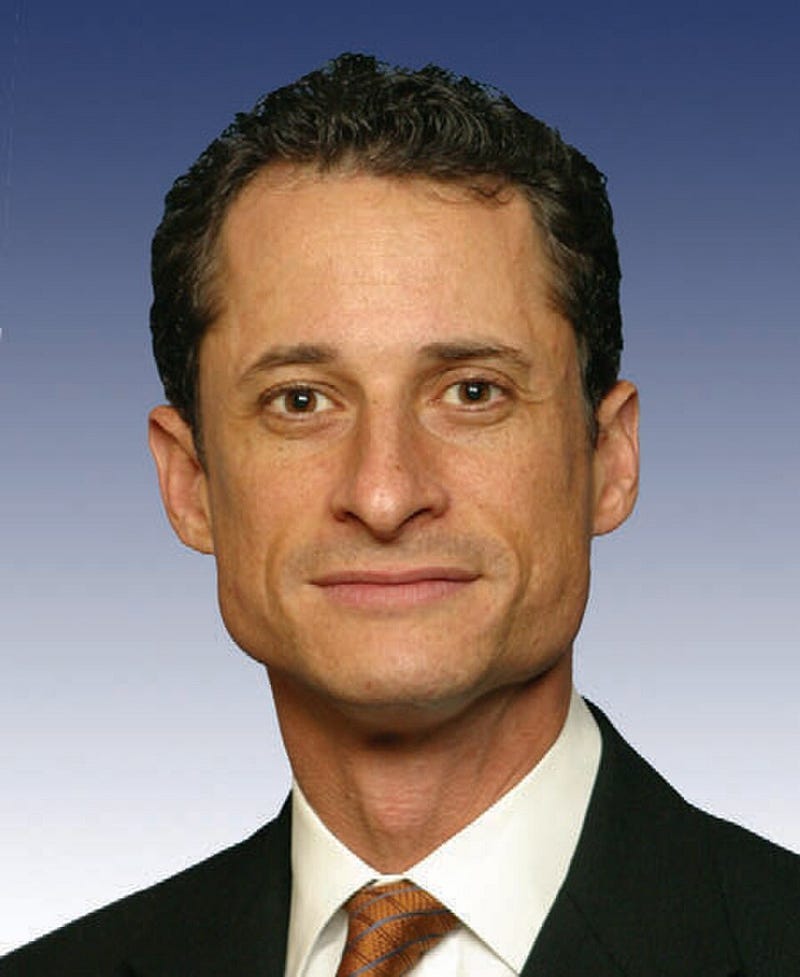
Anthony Weiner’s repeated sexting scandals destroyed his congressional career and derailed a mayoral campaign. Yet despite the severity of the misconduct and the public ridicule that followed, Weiner eventually re‑entered public life through media, consulting, and commentary. His trajectory is more muted than others on this list. Still, it shows how even deeply damaging scandals rarely result in permanent exile—especially when the individual remains willing to engage with the public sphere.
Anthony Weiner is actively attempting a political comeback while also maintaining a presence in media, consulting, and financial ventures.
12. Roman Polanski
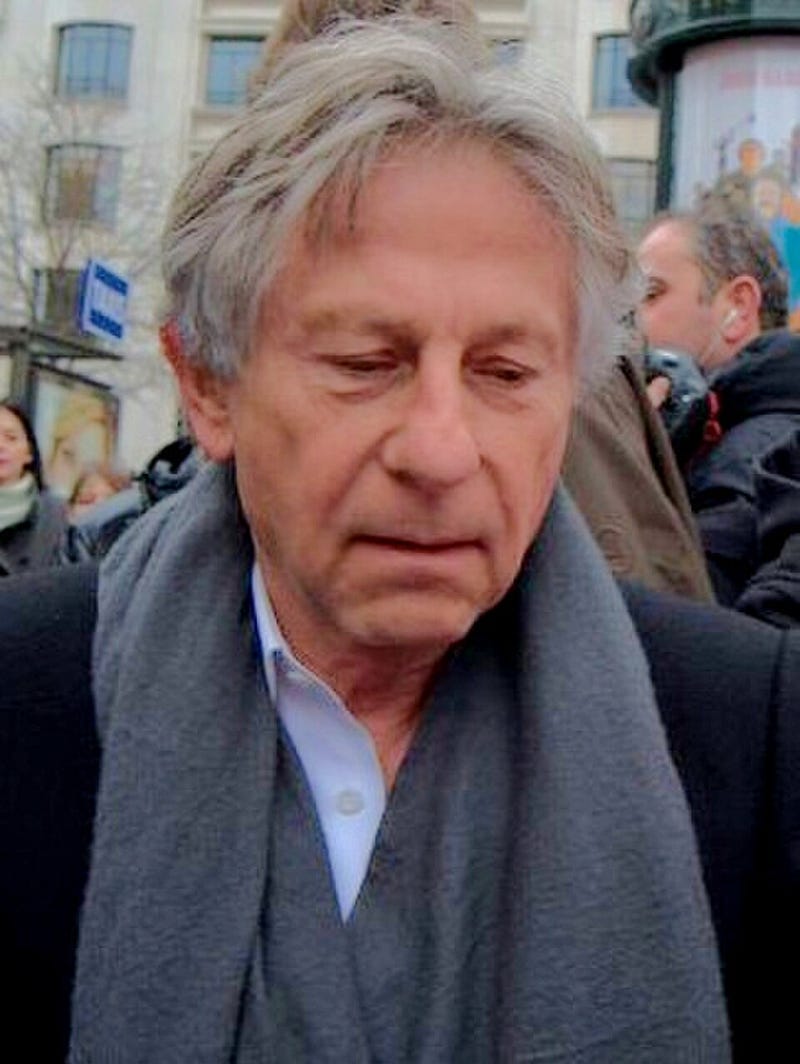
Roman Polanski’s conviction for unlawful sex with a minor and subsequent flight from the United States should have ended his career. Instead, he continued directing internationally, winning major awards and maintaining a loyal artistic following. Polanski’s survival in the film world reflects the industry’s long‑standing willingness to separate art from artist — and the power of international borders to shield reputations.
Roman Polanski remains professionally active as a filmmaker while living in France and Poland, continuing to avoid the United States because of his unresolved 1977 criminal case. Ongoing legal battles, new film activity, and international visibility define his current life.
13. Tiger Woods
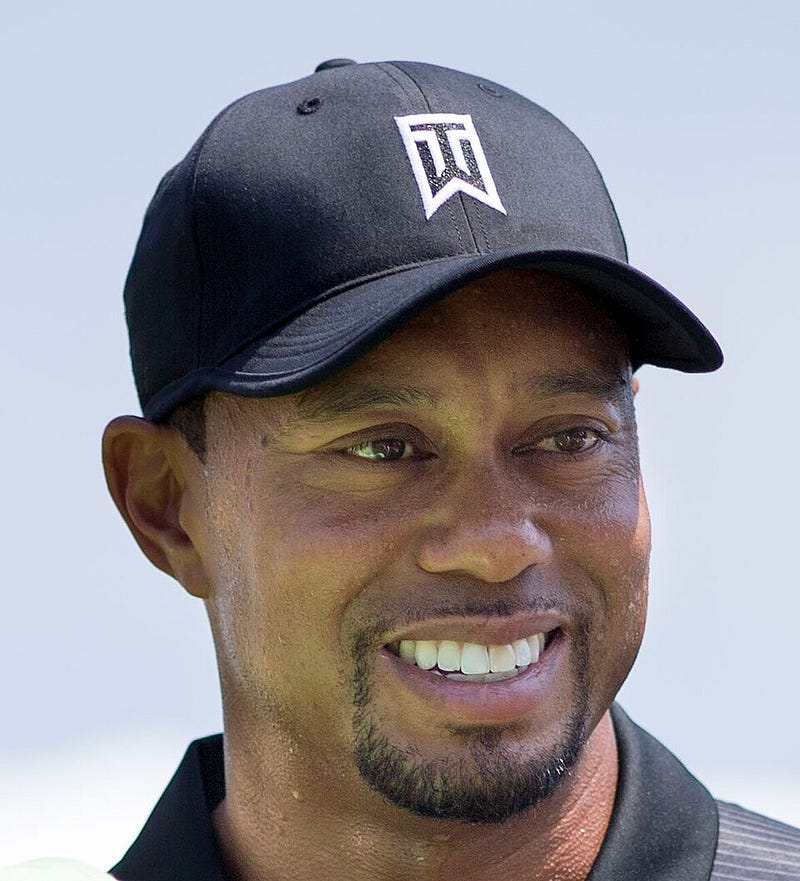
Tiger Woods’ sex scandal and subsequent personal collapse were broadcast globally, threatening both his career and his endorsements. Woods rebuilt his public image through disciplined play, selective media appearances, and a narrative of personal struggle and recovery. His 2019 Masters win cemented his return as one of the most dramatic comebacks in sports history. Woods’ trajectory shows how athletic achievement can eclipse even the most public personal failures.
Woods has had some recent problems, having had multiple accidents and DUI’s related to painkillers. His social life is questionable, and a restraining order was issued against one girlfriend. He’s currently in a relationship with Vanessa Trump, which he made public in March 2025 and which remains ongoing.
14. Floyd Mayweather Jr.
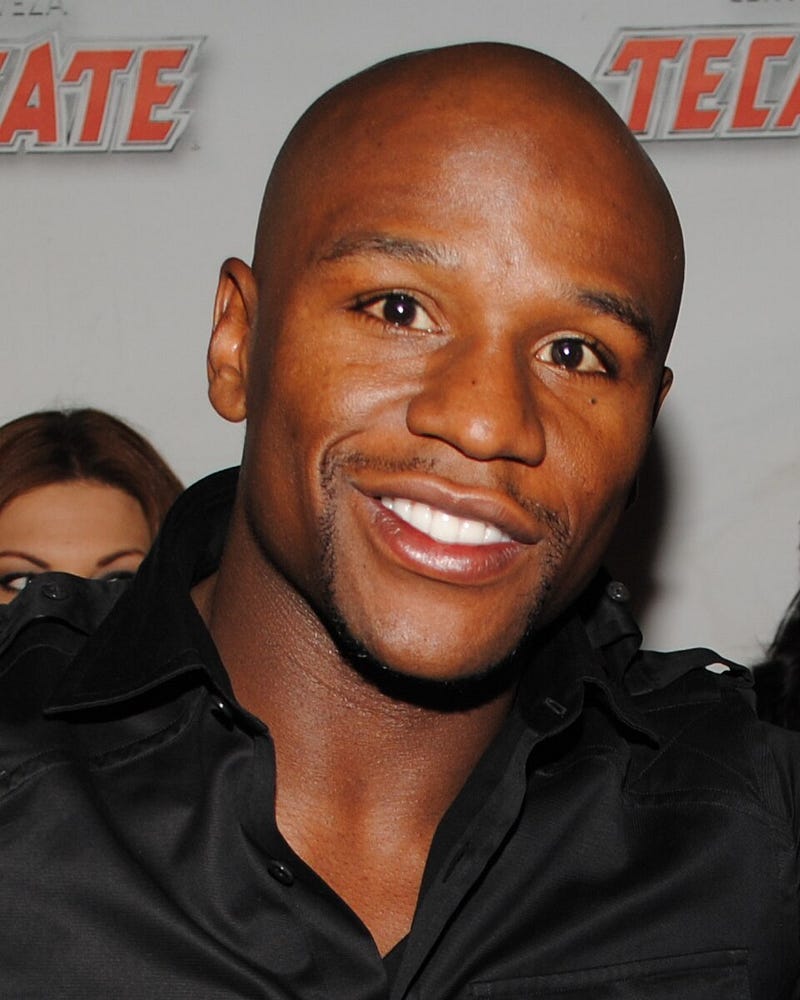
Floyd Mayweather’s domestic violence convictions did little to slow his ascent as one of the highest‑earning athletes in the world. His ability to maintain financial dominance and public visibility despite serious allegations reflects the unique dynamics of combat sports, where controversy often fuels attention rather than diminishes it. Mayweather’s career demonstrates how certain industries absorb scandal without consequence.
Floyd Mayweather is currently unretiring and returning to full professional boxing in 2026, ending a nine‑year retirement.
15. Clarence Thomas
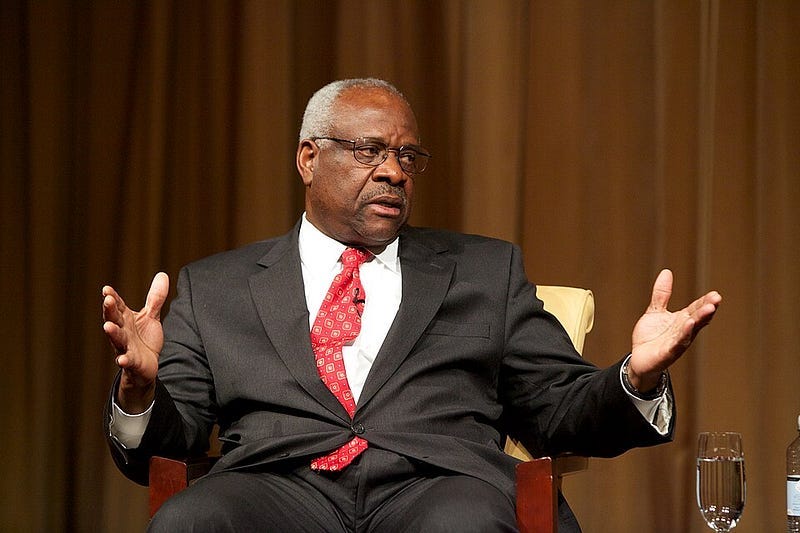
Clarence Thomas survived sexual harassment allegations during his Supreme Court confirmation hearings and went on to become one of the most influential justices in modern American jurisprudence. His endurance reflects the political polarization of the moment, the structure of lifetime appointments, and supporters’ willingness to frame the allegations as politically motivated. Thomas’s trajectory shows how institutional power can insulate individuals from scandal.
More than half of America hates Thomas, while the right wing loves him. Ted Cruz wrote a newly released biography of Thomas.
16. R. Kelly (early 2000s period)
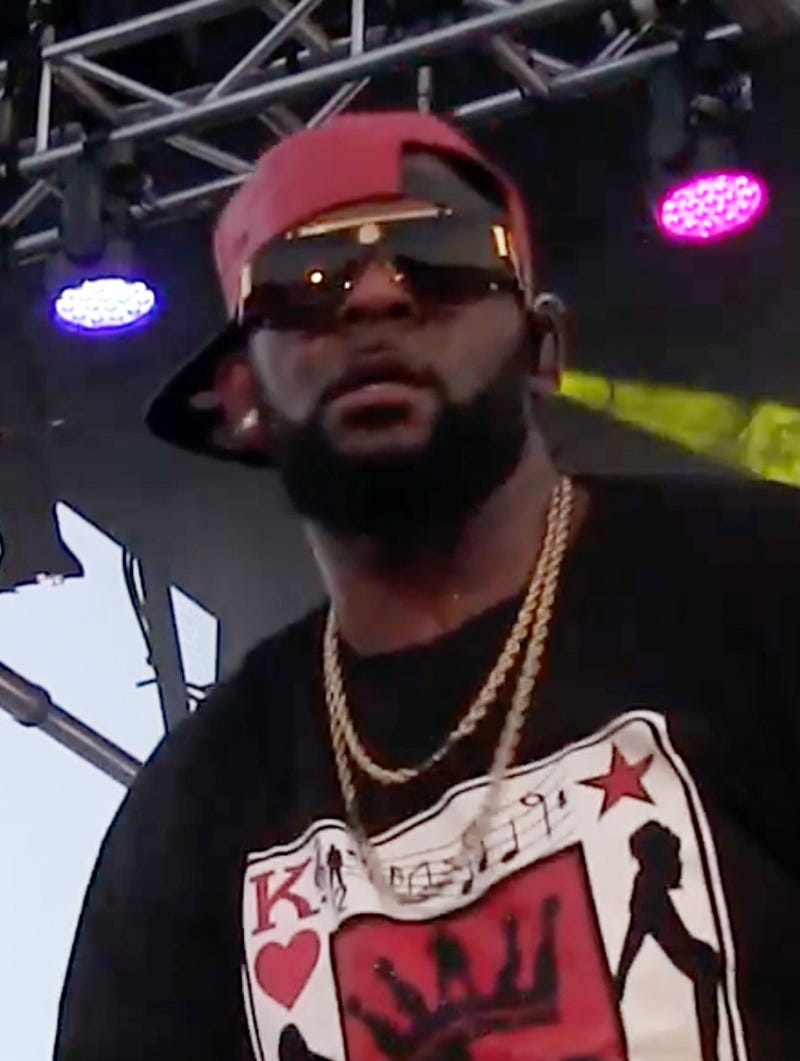
Before his eventual convictions, R. Kelly survived the initial sex‑tape scandal and continued a highly successful career for nearly two decades. Despite widespread public knowledge of the allegations, Kelly maintained radio play, touring success, and industry support. His ability to thrive during that period reflects both systemic failures and the music industry’s willingness to overlook misconduct when profitability remains high.
Kelly continues to create and release musical content over monitored prison phone lines. In early 2025, he participated in Chris Brown’s “Residuals Challenge” by recording a remix of “Residuals” from FCI Butner, which circulated online and sparked debate about his continued influence.
17. Woody Allen
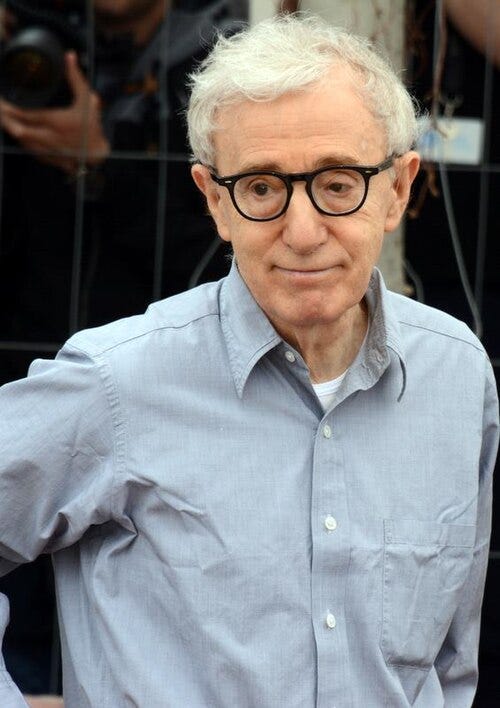
Woody Allen has faced longstanding sexual abuse allegations that have shadowed his career for decades. Yet he continued directing films, securing funding, and receiving international acclaim. Allen’s survival reflects the divide between American and European cultural reception, as well as the film industry’s historical tendency to protect established auteurs. His trajectory shows how artistic legacy can buffer reputational damage.
Woody Allen is still actively making films, and the most recent reporting shows he is deep into production planning for his 51st feature, a Madrid‑based project scheduled to begin shooting on October 5, 2026
18. O.J. Simpson (post‑acquittal period)
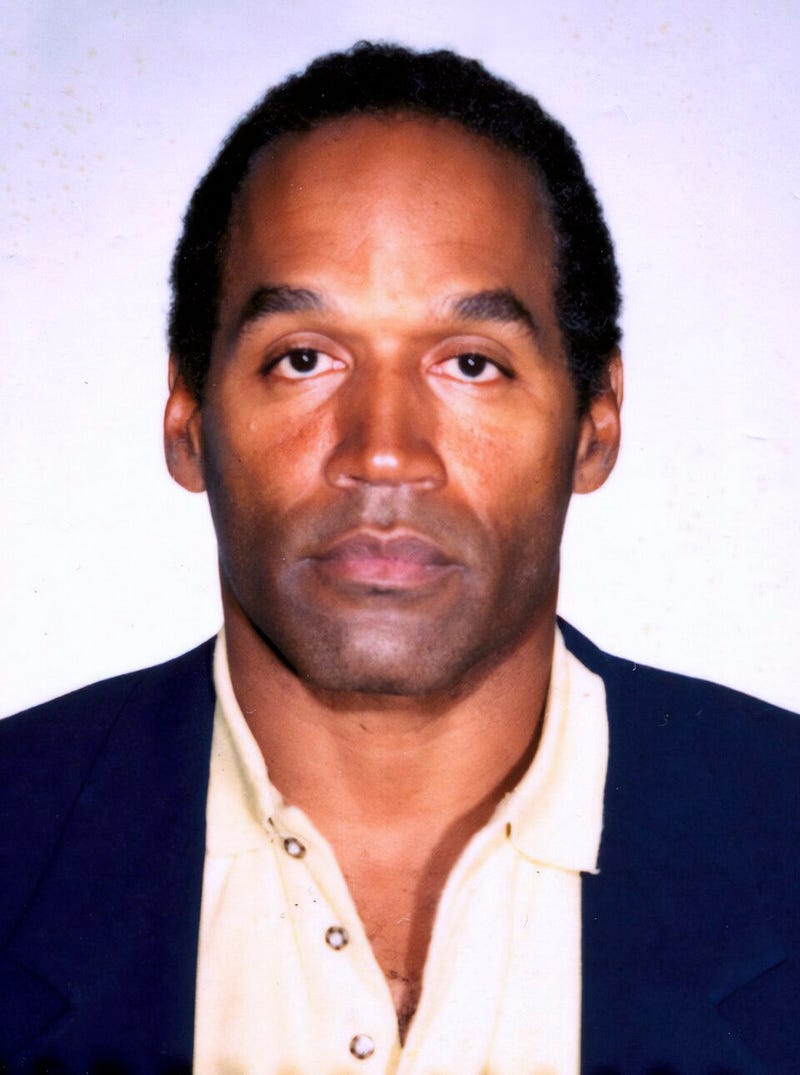
Despite being found civilly liable for wrongful death, O.J. Simpson maintained celebrity status for years after his criminal acquittal. He appeared in the media, pursued business ventures, and remained a cultural figure. Simpson’s ability to remain visible—even after one of the most publicized trials in American history—shows how notoriety itself can sustain relevance.
Simpson eventually went to prison because of the 2007 Las Vegas armed‑robbery and kidnapping case, not because of the 1994–95 murder trial. He later “recovered” socially by leaning on notoriety, media visibility, and the public’s long‑standing fascination with him
19. Lance Armstrong
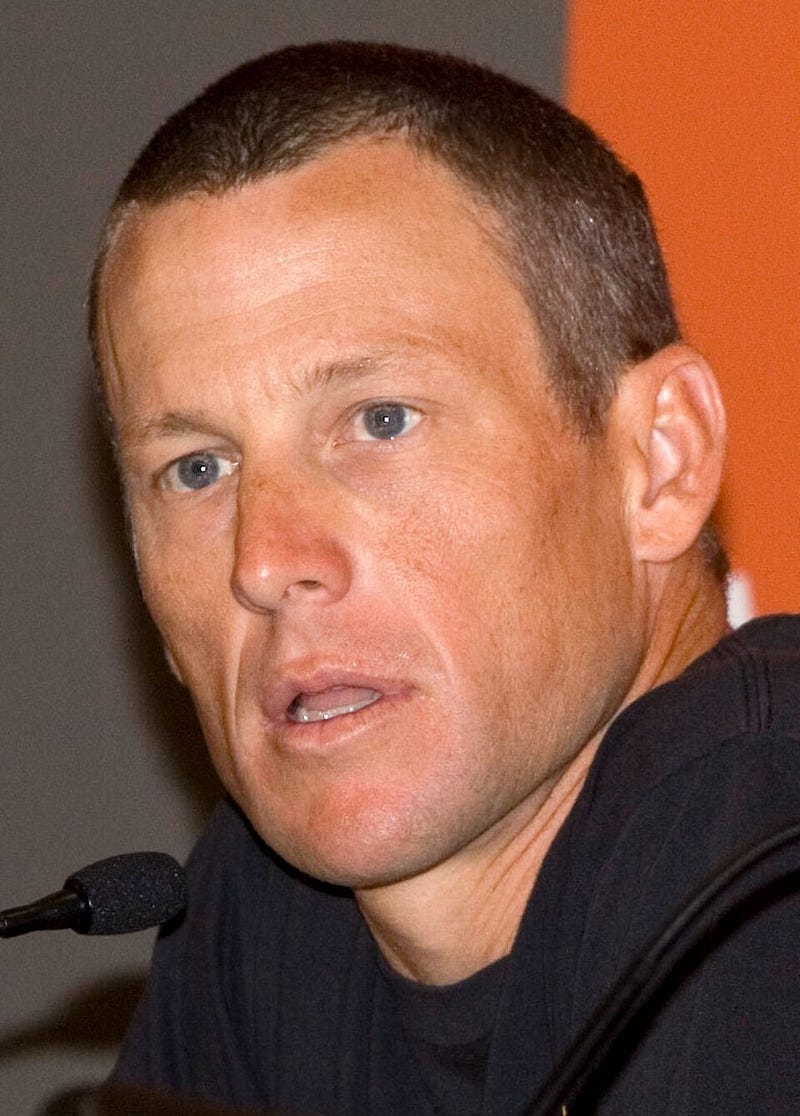
Lance Armstrong’s doping scandal stripped him of titles and endorsements, but he eventually rebuilt a media presence and business portfolio. Armstrong leaned into selective transparency, podcasting, and entrepreneurial ventures to reframe himself as a flawed but insightful figure. His recovery shows how confession, charisma, and a loyal fan base can soften the impact of scandal.
20. Donald Trump
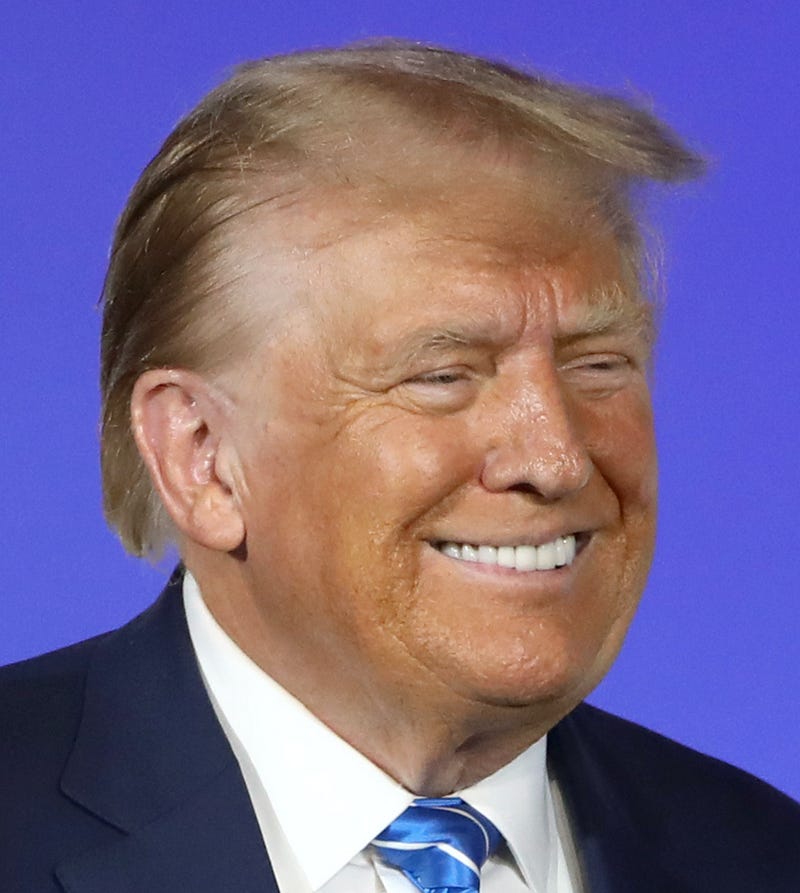
Donald Trump has faced multiple fraud investigations, civil judgments, and sex‑misconduct allegations throughout his public life. Yet he won the presidency twice and remains a dominant political figure. Trump’s resilience reflects a unique combination of media saturation, political polarization, and a base that interprets scandal as evidence of persecution rather than wrongdoing. His trajectory demonstrates how modern politics can invert traditional consequences.
The final judgment isn’t in. Depending on the outcome of the 2026 midterm elections, he’s facing multiple investigations and a possible 3rd impeachment. One can only hope.
Conclusion
Taken together, these twenty stories form an unofficial ledger of American reinvention — a reminder that public collapse is rarely the end, and that notoriety, power, talent, or sheer persistence can pull people back into the light even after the world has written them off. Their recoveries aren’t uniform, and they aren’t always admirable, but they reveal something about how reputation actually works: it bends, it bruises, it recalibrates, and it often survives. In a culture that treats downfall as spectacle and redemption as currency, hitting bottom becomes just another plot point. What matters, in the end, is not the fall itself but the machinery that allows certain people to rise again, reshaped but still recognizable, still present, still part of the story.