
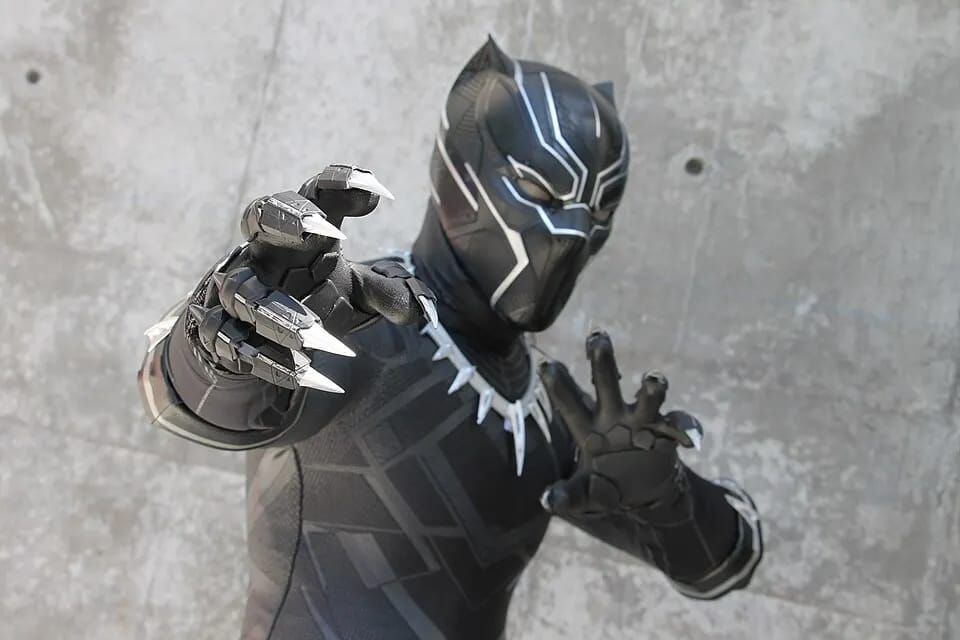
In a bold demonstration of American commitment to global engagement — and to not reading its own database entries — the United States government recently announced plans to impose import fees on agricultural goods from Wakanda, the fictional East African nation best known for its vibranium reserves, technological supremacy, and complete nonexistence.
This revelation came courtesy of the U.S. Department of Agriculture’s Agricultural Tariff Tracker, which briefly listed Wakanda as a full trade partner. With tariff codes associated with ducks, donkeys, and dairy cows.
No word yet on vibranium. Presumably, the tariff schedule for indestructible alien metal requires a separate form. This is not a joke. Wakanda was officially listed as a U.S. Trade partner.
 BBC News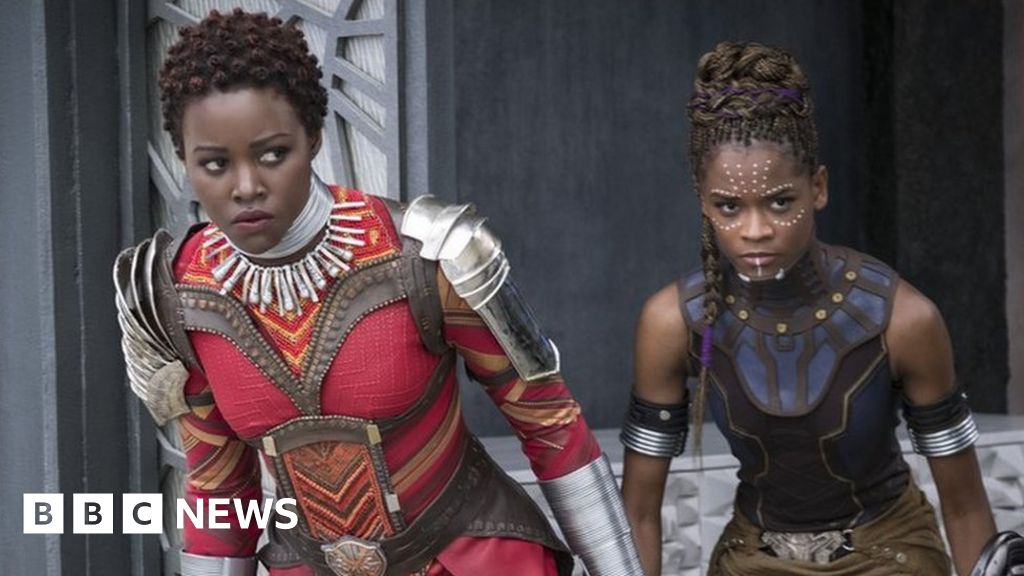
The Official Explanation: “It Was an Accident”
When journalists noticed that the United States was apparently taxing Wakandan livestock, the USDA responded with the kind of bureaucratic clarity that inspires confidence:
Wakanda was added as a test file during staff training and “should have been removed.”
This is the government equivalent of “my dog ate my homework,” except the homework was international trade policy and the dog was a federal agency.
The USDA quickly removed Wakanda from the tariff tracker, but not before the world learned that America had been quietly preparing to charge import fees to a country whose GDP is entirely fictional and whose king wears a panther suit. USDA tariff trackers don’t indicate who the heads of state are. I was hoping they could clear up whether Princess Shuri or M’Baku was in charge. I was a little unclear at the end of Black Panther 2: Wakanda Forever.
The Livestock in Question: A Field Guide to Wakanda’s Imaginary Exports
The tariff tracker listed three categories of goods Wakanda was apparently shipping to the United States:
- Ducks
- Donkeys
- Dairy cows
These are not unreasonable choices. If you’re going to invent a trade relationship with a fictional nation accidentally, you might as well choose animals that actually exist in the region Wakanda is loosely based on.
Ducks of East and Central Africa
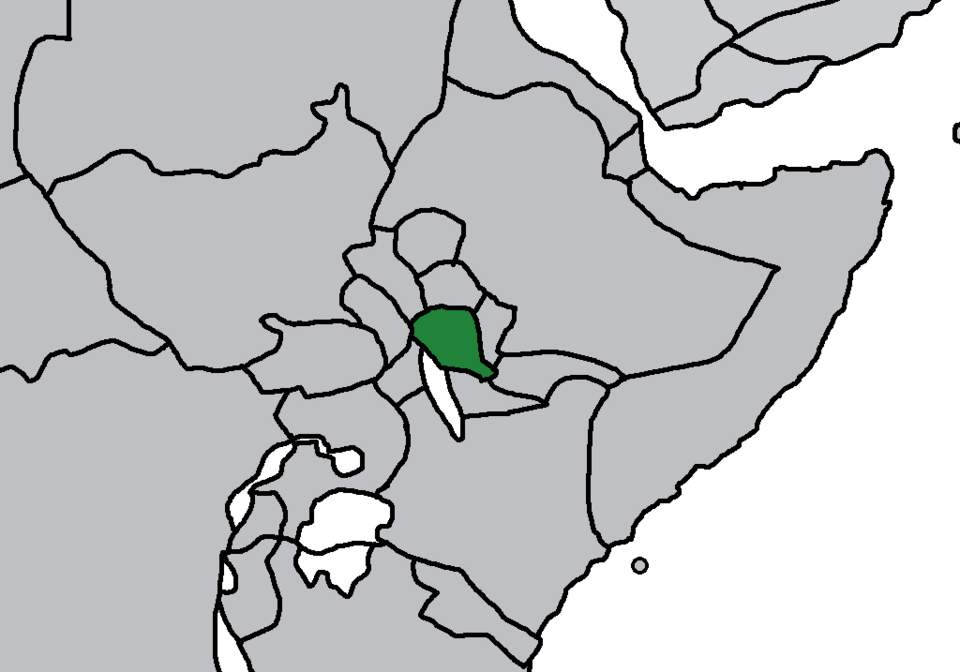
If Wakanda were real, it would sit somewhere between Uganda, Rwanda, Kenya, and Tanzania — all home to:
- African Black Duck
- White‑faced Whistling Duck
- Fulvous Whistling Duck
- Spur‑winged Goose (a duck‑goose hybrid with anger issues)
These species thrive in wetlands and river systems. Wakanda has both. So yes, Wakandan ducks are ecologically plausible.
Donkeys: Africa’s Biblical Workhorses
Donkeys have been part of African life since antiquity. The African wild ass, native to the Horn of Africa, is the ancestor of all domesticated donkeys worldwide.
If Wakanda had farmers, it would have donkeys. If Wakanda had prophets, they would have ridden them.
Dairy Cows: The Ankole‑Watusi Dynasty
East Africa is home to some of the world’s most iconic cattle breeds:
- Ankole‑Watusi (with horns the size of congressional egos)
- East African Zebu
- Sanga cattle
These breeds produce milk, meat, and cultural prestige. Wakanda, with its mix of tradition and technology, would absolutely have dairy cows — perhaps even cyber‑enhanced ones.
The Tariff Question: Would Wakanda’s Goods Be Taxed?
Yes. The USDA’s tariff tracker only lists goods that are subject to import fees.
So when Wakanda appeared with tariff codes for ducks, donkeys, and dairy cows, the United States government was — however briefly — prepared to charge import duties to a fictional monarchy.
This means that if Shuri or M’Baku had ever attempted to ship a crate of Ankole‑Watusi cattle to Miami, the USDA would have been ready with paperwork.
The Larger Lesson: America Will Tax Anything If You Let It
The Wakanda incident reveals a deeper truth about U.S. governance:
If you put a name in a database, the government will find a way to tax it. Real country, fictional country, underwater kingdom, asteroid colony — doesn’t matter. If it has ducks, the United States has a tariff code for it.
And while the USDA insists this was a harmless training mistake, it’s hard not to imagine the possibilities:
- Import duties on Atlantis (sea cucumbers, kelp)
- Tariffs on Narnia (talking horses, enchanted Turkish delight)
- A trade embargo on Mordor (orcs, volcanic ash)
The machinery of government is vast, and sometimes it accidentally recognizes nations that only exist in comic books.
The other lesson to be learned is about the incompetence of the Trump administration, but since that’s common knowledge, we’ll go with the tax anything lesson.
Conclusion: A Trade Policy for a Nation That Never Asked for One
Wakanda never applied for Most-Favored-Nation status. Wakanda never negotiated a bilateral trade agreement. Wakanda never shipped a single duck, donkey, or dairy cow to the United States.
But for one glorious moment, the USDA believed it did — and prepared to tax it accordingly.
No word yet on vibranium. That’s just as well because no sane person would put vibranium in the hands of Donald Trump.