
I recently wrote about how Donald Trump and his family were profiting from their positions or proximity to power, especially related to the Iran War. I’d also like to explore the likely crimes the Justice Department has chosen to ignore, despite public information that overwhelmingly suggests guilt. It’s easy to forget the criminals embedded in the Trump administration, given how many scandals this group is involved in. Here are eleven government investigations that never got off the ground or were dismissed at the request of the DOJ
Investigations begin and end all the time because there is no real evidence. I’m not talking about those. I mean the ones where enough proof exists that the crimes should be impossible to ignore, yet they do. The central question is whether an investigation was stopped for reasons unrelated to the strength of the evidence. In several prominent cases, investigators developed substantial evidence, obtained indictments, or secured guilty pleas before the legal proceedings were curtailed or the cases were closed.
A. Investigations involving Trump and his associates
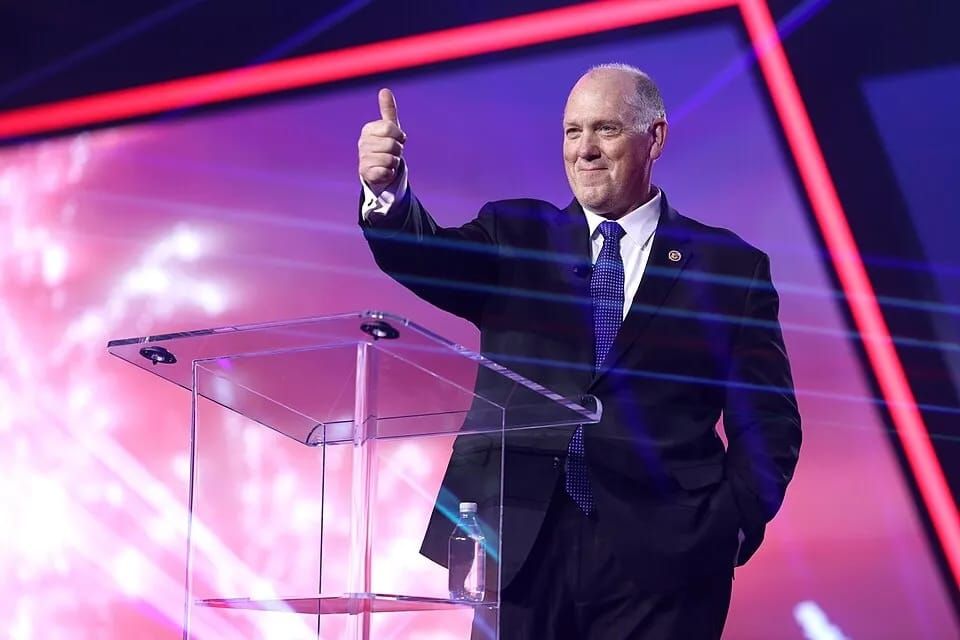
1. Tom Homan — alleged $50,000 cash payment
Investigation closed
In September 2025, reporting by The Washington Post and ABC News revealed that the Justice Department had closed an investigation into Homan after an undercover FBI operation allegedly recorded him accepting a bag containing $50,000. Investigators examined whether the money was tied to promises to help secure government contracts for an immigration-services company. The department said it found no credible evidence of criminal wrongdoing. The reported recording is significant, but it does not by itself establish that a prosecutable bribery offense occurred. When asked on multiple occasions, Homan has never acknowledged receiving or returning the money. He only says, “I did nothing wrong.” As if that makes receiving a bribe go away. The money involved would have come from taxpayers, and we have a right to know.
2. Donald Trump — federal election-interference investigation
Trump pleads not guilty to charges that he plotted to overturn election — The Washington Post.
Prosecution dismissed
Special Counsel Jack Smith obtained a federal indictment in August 2023 alleging a conspiracy to overturn the 2020 presidential election, obstruct certification of the electoral vote, and interfere with Americans’ voting rights. Prosecutors assembled witness testimony, communications, and other evidence. After Trump’s 2024 election victory, Smith sought dismissal under the Justice Department’s longstanding policy against prosecuting a sitting president. The case ended without a trial, not because a jury found the evidence insufficient.
3. Donald Trump Charged With Obstruction of Justice
Prosecution dismissed
Federal prosecutors charged Trump with unlawfully retaining national-defense information and obstructing the government’s efforts to recover records. Judge Aileen Cannon dismissed the indictment in July 2024, saying Smith’s appointment was unconstitutional. The Justice Department subsequently abandoned its appeal against Trump after his election victory. A trial jury never decided the merits of the allegations.
4. Walt Nauta and Carlos De Oliveira — classified-documents case
DOJ wants to dismiss case of 2 men indicted for allegedly helping Trump: NPR
Trump’s personal aide and a Mar-a-Lago property manager faced charges in the same classified-documents investigation, including allegations relating to obstruction. After Cannon dismissed the underlying indictment, the Justice Department abandoned its appeal against Trump and later dropped the proceedings against Nauta and De Oliveira. A trial did not resolve the allegations against these defendants.
5. Donald Trump and Georgia election-interference defendants
Explaining the Four Trump Indictments
State prosecution dismissed
A Georgia grand jury indicted Trump and 18 others in 2023 over alleged efforts to reverse the state’s 2020 election result. The investigation included the recorded call in which Trump asked Georgia Secretary of State Brad Raffensperger to find enough votes to change the outcome. In November 2025, the replacement prosecutor dropped the case, concluding that its legal theory was not a viable basis for prosecution and citing practical obstacles. This major case ended without a trial.
6. Michael Flynn — false statements to the FBI
Michael Flynn Was Warned About the Risk of His Russian Contacts | Vanity Fair
Trump’s first-term Justice Department moved in May 2020 to dismiss the case against his former national security adviser, who had pleaded guilty to lying to the FBI about conversations with Russia’s ambassador. The department argued that the interview lacked a legitimate investigative basis. The move sparked substantial controversy because Flynn had already pleaded guilty in court. President Trump pardoned Flynn later that year. This is a clear example of a case with an existing guilty plea that did not proceed to a standard sentencing and final resolution.
7. Jeff Fortenberry — illegal campaign contributions and false statements
Fortenberry says he will vote to affirm Electoral College vote
The former Republican congressman was convicted in 2022 of lying to federal investigators about illegal foreign contributions to his campaign. An appeals court later overturned the conviction on venue grounds. In January 2025, the Justice Department dropped the case rather than retrying him. Fortenberry’s original conviction shows that prosecutors obtained a jury verdict, though the verdict was later vacated and did not constitute a final determination of guilt.
8. Roger Stone — obstruction, false statements, and witness tampering
Roger Stone Will Invoke His 5th Amendment Rights To Jan. 6 Commit
Stone was convicted in 2019 on seven counts arising from the investigation of Russian interference in the 2016 election. Trump commuted his prison sentence in July 2020 and pardoned him in December. Prosecutors did not abandon this investigation before trial; they successfully prosecuted it, and the president curtailed the punishment. It belongs on a broader list of accountability cases halted or substantially interrupted, but should not be described as a dropped investigation.
9. Paul Manafort — financial fraud and foreign lobbying
Parsing Paul Manafort’s Plea Agreement for How Much Dirt He Has on Trump | The New Yorker
Trump’s former campaign chairman was convicted in federal court in Virginia and pleaded guilty in a separate Washington case involving conspiracy and obstruction. In December 2020, Trump pardoned Manafort, ending the prospect of further punishment for the federal offenses in question. This pardon followed substantial investigative work and criminal proceedings, not a finding that the evidence was inadequate.
10. Steve Bannon — We Build the Wall fundraising fraud
Steve Bannon, exasesor de Trump, se declara culpable de fraude por muro fronterizo
Federal prosecutors charged Bannon and others in 2020 with allegedly defrauding donors who contributed to a private border-wall fundraising campaign. Trump pardoned Bannon before the federal case went to trial. A presidential pardon ended the federal prosecution of Bannon on the covered charges. Still, it did not establish that the allegations were false or eliminate every possible state-level legal consequence.
11. Foreign Corrupt Practices Act investigations
Multiple investigations discontinued
In 2025, the Trump administration directed a review and temporarily paused new enforcement under the Foreign Corrupt Practices Act, which prohibits bribing foreign officials. ProPublica reported that the Justice Department subsequently closed 25 investigations under the act during the administration's first six months. One involved a major automaker that had reported suspected bribery involving a foreign subsidiary. The department cited resource and enforcement priorities.
The pattern is difficult to ignore. Investigations into Trump administration officials and allies have been halted or abandoned, even when questions about potential criminal conduct remained unanswered. At the same time, Donald Trump has repeatedly pursued investigations and prosecutions against people he regards as political enemies, including Cassidy Hutchinson, Letitia James, Jack Smith, and James Comey. Those efforts have encountered significant legal obstacles, and some have failed outright.
The contrast raises a fundamental question about the purpose of federal law enforcement: Is the Justice Department pursuing evidence of criminal wrongdoing wherever it leads, or has it become an instrument for rewarding loyalty and punishing opposition? In a democracy, neither political connections nor personal grievances should determine who is investigated, prosecuted, or protected.
The law should apply equally to the powerful and the powerless, to allies and adversaries alike. When investigations into those close to the president disappear while his critics find themselves repeatedly targeted, public confidence in equal justice erodes. The greatest danger is not simply that individual cases may be mishandled, but that Americans may come to accept a system in which justice depends less on what a person has done than on whether the president considers that person a friend or an enemy. That is not the impartial administration of justice. It weaponizes the law—and threatens the democratic principle that no one, not even the president, should stand above it.