
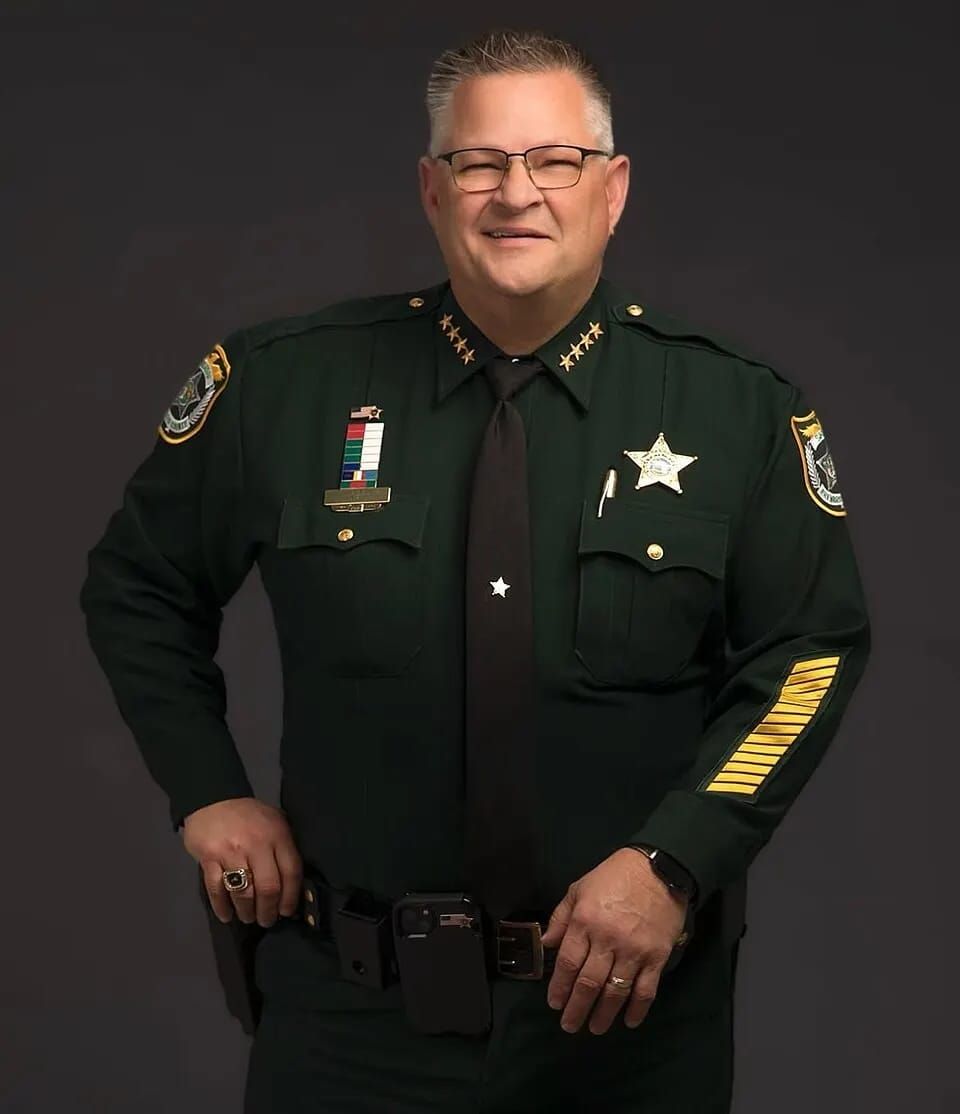
In Brevard County, FL, Deputy Michael Fultz was honored as the2025 Deputy of the Year. In 2026, Fultz resigned after investigators documented “egregious misconduct.” Among the things in his record was stalking his ex-girlfriend by using Flock cameras to track her as part of an “investigation.” On the same day in 2025 that he received his award. His former girlfriend called to report activities she thought the department should know about.
“My intention in providing this information is not to pursue personal retaliation but to ensure the agency is aware of conduct that, in my understanding, may conflict with departmental policies or professional standards.”
The department subsequently audited its Flock Safety license-plate reader system and found that Fultz had searched his ex-girlfriend’s license plate. Fultz could not point to any official investigation as a basis for his search.
The Sheriff’s Dept. investigation into Fultz uncovered photos of him placing the barrel of his service weapon into his girlfriend’s mouth while having sex. Who does that? Both parties say the act was consensual at the time, but upon reflection, the girlfriend found the behavior unacceptable.
There were screenshots of Fultz engaging in what appeared to be masturbation while in uniform and in a patrol car. The images weren’t clear enough to provide proof. In another photo, he was shown having a mustache like Hitler and performing a Nazi salute. Fultz said it was “a joke.”
Several text messages showed his frequent use of the N-word. He was also stopped by the Highway Patrol traveling 111 miles per hour on Highway 192. The maximum speed limit anywhere in Florida is 70 mph. Fultz was not arrested, as was called for, but given a citation for traveling 74 mph in a 65 mph zone.
Fultz was hired as a probationary deputy in September 2024. Seven months later, he fatally shot a suicidal man who allegedly charged him with a knife while he was responding to a disturbance at a home. Fultz was lauded for his actions and later given an award for Deputy of the Year.
“Deputy Fultz’s decisive actions and extraordinary restraint under extreme pressure undoubtedly saved the life of a frightened mother while also protecting himself from grave harm,” — Sheriff Wayne Ivey
Fultz resigned instead of being fired, which the department had decided to do. He is eligible to work elsewhere as a police officer, even in Florida.
Michael Fultz isn’t the only Florida officer to have been honored and wilted under the light.
In 2018, a City of Orlando police officer, Jonathan Mills, was named “Patrol Officer of the Year” for being “the most proactive member of his squad.” Mills made over 100 arrests and confiscated a large quantity of drugs and guns. The report nominating him said he was considered a leader who motivated and assisted others in his squad. Mills was an example of many things, which makes us wonder which behavior OPD was rewarding.
Former Orlando ‘officer of the year’ found guilty of battery
Mills had come to the attention of his superiors several times in the two years before receiving his award. In 2016, he was disciplined for making racist comments to a Black woman, causing him to be removed from an elite tactical unit. The Orlando Police Citizens Review Board said this.
“I’m concerned as a citizen that you have a police officer that makes these comments, which I believe were racist, still patrolling the streets. It poses a danger to the community and the police force as well.” — Henry Lim, Board Member
Mills received a verbal reprimand and was reassigned. The Board felt the punishment should have been more severe. They wrote to Chief John Mina to suggest a harsher punishment, and Mina ignored them.
“I will take the board’s advice into consideration in future matters and will take any other action that he deems appropriate.” — Chief John Mina
In 2017, Jonathan Mills was named in two lawsuits accusing him of excessive force. Those lawsuits eventually cost the City of Orlando $130,000. In one case, Mills and another officer stopped a vehicle similar to the one they were looking for and immediately determined the suspect was not in the car. Mills ordered the passenger out of the vehicle, then handcuffed and searched him without consent. Mills allegedly pulled on the man’s genitals and stuck his finger up his rectum.
In a second case, Mills stopped someone accused of driving with a suspended license. Despite the man not resisting and raising his hands. Mills tased him twice, then twisted his arms while handcuffing him. The man underwent three surgeries to repair a torn rotator cuff. Between 2012 and 2015, there were more than 15 complaints against Mills for excessive force, and Mills was never disciplined.
City settles lawsuit against Orlando police officer accused of excessive force — Orlando Sentinel.
The state attorney’s office began looking at Mills in December 2018 after Mills was accused of inciting a suspect. Mills charged the man with resisting arrest and destroying evidence. Bodycam evidence contradicted those charges. The state attorney looked into seven other instances of questionable behavior. They ultimately charged him in the 2014 case where he stuck his finger up a man’s butt in an illegal search. Months later, he was disciplined for the 2016 incident in which he taunted teenagers.
State attorney finds red flags for Officer Jonathan Mills
In 2021, Mills was charged with misdemeanor battery and sexual battery. The second charge was ultimately dropped. Mills was sentenced to 30 days in the Orange County Jail, 11 months of probation, and 50 hours of community service. He has also been ordered to relinquish his law enforcement certification and write a letter to the victim.
Lest you think this is all, here are several other Florida examples of decorated officers gone bad.
1. Deputy Jonathan Price — Hillsborough County Sheriff’s Office
Award: 2016 Law Enforcement Officer of the Year (local civic award). Trouble: Arrested in 2019 for domestic battery after allegedly striking his partner. Outcome: Suspended; later resigned. Status: Criminal arrest.
2. Officer Matthew Steiner — Jacksonville Sheriff’s Office
Award: 2018 JSO Medal of Merit. Trouble: Involved in multiple controversial shootings; later arrested in 2023 for DUI after crashing his vehicle. Outcome: Administrative discipline; criminal charge. Status: Criminal arrest.
3. Deputy Christopher “Chris” Morman — Polk County Sheriff’s Office
Award: 2015 Deputy of the Quarter (precursor award to annual honors). Trouble: Arrested in 2018 for domestic violence and false imprisonment. Outcome: Fired; criminal case. Status: Criminal arrest.
4. Officer Angel Lopez — Miami Police Department
Award: 2017 Officer of the Year (MPD internal award). Trouble: Arrested in 2020 for felony battery after allegedly assaulting a handcuffed suspect. Outcome: Fired; criminal prosecution. Status: Criminal arrest.
5. Deputy William “Billy” McKinney — Escambia County Sheriff’s Office
Award: 2014 Deputy of the Year (ECSO). Trouble: Arrested in 2017 for child pornography possession. Outcome: Fired; convicted. Status: Criminal conviction.
6. Officer Michael Martinez — Orlando Police Department
Award: 2015 Officer of the Year (OPD). Trouble: Arrested in 2019 for insurance fraud and staged vehicle damage. Outcome: Fired; criminal prosecution. Status: Criminal arrest.
Conclusion
In the end, the fall of these once‑celebrated officers isn’t shocking; it’s predictable. When departments hand out awards faster than they enforce standards, they create heroes on paper and liabilities in practice. The press releases get written, and the warning signs get ignored. Then the misconduct surfaces, and everyone pretends it came out of nowhere.
The truth is simpler: if you reward image instead of integrity, you eventually get exactly what Florida has been getting, decorated officers who turn out to be cautionary tales. The scandal isn’t that they fell. It’s that they were lifted up without anyone looking closely enough to see they were already cracking.