
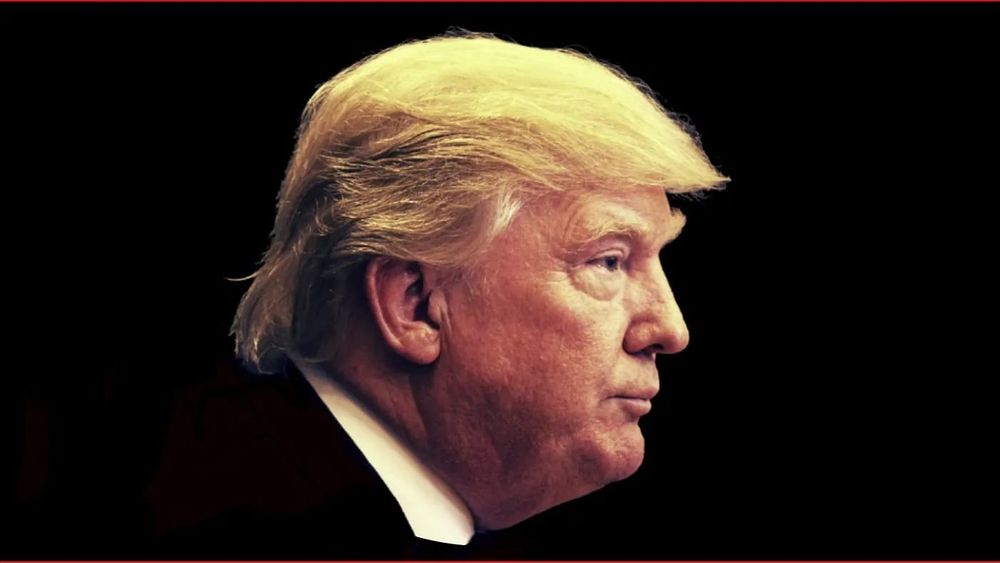
If you want a clear picture of Trump’s second‑term cabinet, do not start with the latest televised shouting match. Start with a simple question: why do the same kinds of problems keep ending the careers of different people?
In the last year, Homeland Security, the Labor Department, the FBI, and the Justice Department have all lost top officials. Each departure has its own facts. But when you read through the coverage from outlets across the spectrum and look at the turnover trackers, a pattern shows up. Those chosen primarily for personal loyalty rather than for steady management now hold senior jobs. Oversight is treated as a nuisance. Missteps pile up until the president decides someone has become a liability.
Kristi Noem and the DHS “deportation jet”
Kristi Noem’s run at Homeland Security is a case in point. She came in promising a tougher, more visible approach to immigration. She left with courts blocking some of her policies, critics pointing to a self‑promotional ad campaign on the government’s dime, and a fight over a high‑end “deportation jet” outfitted with sleeping quarters and a bar. That plane was purchased with enforcement funds, while DHS was telling Congress it could not meet basic needs on the ground.
When Trump finally fired Noem, the plane did not leave with her. It stayed in service for other senior officials. The optics of that choice matter. It suggests that the actual line in this administration is not between appropriate and inappropriate, but between politically useful and politically costly.
Lori Chavez‑DeRemer and misconduct inside the Labor Department
Lori Chavez‑DeRemer’s resignation as Labor secretary followed reports of an internal misconduct probe. Journalists described ethical questions around spending, complaints about workplace conditions, and allegations involving her husband’s behavior toward staff. Chavez‑DeRemer denied the worst accusations. The situation cut directly against the Labor Department’s mission. This is the agency that enforces workplace protections and takes claims of harassment and retaliation seriously. If the secretary herself cannot stay clear of those issues, it undermines confidence in the department’s ability to do its job anywhere else in the country.
Kash Patel, FBI resources, and blurred lines
The Kash Patel story raises even higher stakes because it involves law‑enforcement power. Reporting from major outlets has described how Patel arranged SWAT‑team protection for his girlfriend and relied heavily on FBI aircraft for trips that included a controversial journey to the Olympics. The bureau has insisted these decisions had official justification. Critics, including former agents and ethics experts, see something else: a director who does not seem to understand — or does not respect — the difference between the bureau’s mission and his private life.
For the FBI, perception is part of the job. Once people believe that elite tactical teams and government jets can be bent around the personal needs of whoever sits at the top, the bureau’s credibility suffers, whether a specific rule is broken.
Pam Bondi’s loyalty test at Justice
Pam Bondi’s firing as attorney general shows another side of second‑term turnover. Her tenure drew criticism from civil‑liberties advocates and victims’ groups over her handling of the Epstein files and her willingness to explore cases against Trump’s political adversaries. At the same time, reporting from the New York Times, the Los Angeles Times, PBS, and others shows that Trump’s patience with her was wearing thin because she had not gone far enough or fast enough in shielding him and targeting his enemies.
In other words, Bondi was caught between legal constraints and presidential expectations. When she could not deliver the level of control Trump wanted over Justice, he replaced her. That sends a clear signal to whoever comes next: independence is optional; personal loyalty is not.
The actual reasons so many second‑term officials are leaving
Once you lay these cases side by side, the reasons for second‑term firings are not mysterious.
Some officials leave because their ethics problems become too big to ignore — planes, security details, money, workplace complaints. Some leave because they create political headaches that distract from the president’s agenda. Others leave because they cannot keep up with Trump’s demands to push their departments further into serving his personal priorities. In all three situations, the common thread is a system that rewards loyalty first, soft‑pedals oversight, and reacts to scandal only after it spills into public view.
Commentaries from places like Brookings and nonpartisan watchdog groups have sketched the same broader picture: a second‑term administration with high turnover, a narrow bench of trusted insiders, and a weakened set of internal guardrails. That combination can function for a time, especially in a polarized environment. It also makes repeated ethical troubles more likely.
Why this matters beyond Trump
It would be easy to shrug at all this and say “both sides do it.” That is one way these stories lose their meaning. The point here is not that previous administrations were spotless. They were not. The point is that this particular second term is running the same play repeatedly: appoint loyalists; tolerate excess until it becomes embarrassing; then push people out and insist nothing is mistaken with the system that put them there in the first place.
Meanwhile, government planes still fly. Security teams still move. Internal investigators still write their reports. All of that comes out of the same tax base that funds veterans’ care, social programs, and basic services. Every hour spent cleaning up after a preventable scandal is an hour not spent on anything else.
If you care about how power is used, this is not just Trump drama. It is a test of what we are willing to accept from anyone who sits in high office. If we decide, again, that none of it really matters, we should not be surprised when the next wave of appointees act like the rules are an old joke they do not have to tell anymore.
If you know someone who has tuned out because the news feels like white noise, send them this and ask a simple question: if this much would get you fired from any serious job, why are we letting it pass in the jobs that control the most?