
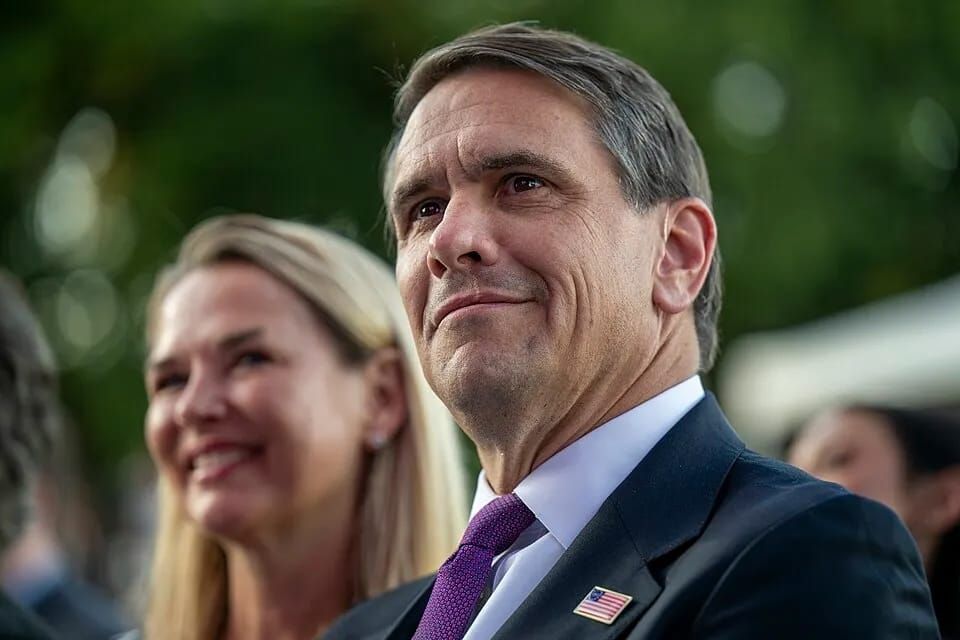
Two things have become clear during the Todd Blanche confirmation hearings in his bid to become Attorney General of the United States.
- Senate Republicans don’t give a damn about the Epstein victims or ending the cover-up related to the release of the Epstein Files. Republican Senator Thom Tillis demanded that, to secure his vote, Todd Blanche had to meet with Epstein victims. Such a meeting did take place and accomplished nothing. Blanche was rude; he gaslit the victims and disrespectfully told one of them to “get to the point.” Tillis wasn’t serious about a meeting with victims serving any purpose; he just wanted to check off the box. The remaining Republicans on the Senate Judiciary Committee barely mentioned Epstein and made no demands related to releasing additional documents and the pictures nobody talks about. Thus far, approximately 180,000 images have been released, representing half of the files made public. Where are the other 180,000 pictures in the unreleased files? I have no interest in seeing the girls, but what about the men?
- The only thing Donald Trump cares about is the tax immunity offered to Trump and his family, along with exemption from audits.
The deal “forever bars” the IRS from auditing Donald Trump, his family, or his companies for any past tax years.
The so-called slush fund to give money to Trump supporters allegedly wronged by the Justice Department was always a ruse. You know that Donald Trump doesn’t really care about other people. Trump has made billions since beginning his second term and is demanding his right to cheat on his taxes and preventing anyone from even checking.
The Todd Blanche confirmation hearings had devolved into something closer to a hostage negotiation than a vetting process for the next Attorney General. Blanche’s nomination was already wobbling under the weight of two political crises: the Epstein Files transparency fight and Donald Trump’s demand for sweeping IRS immunity for himself, his family, and his companies. But the most revealing moment came when Trump floated a new idea — one that said more about the administration’s priorities than any speech, press release, or Senate hearing ever could.
Trump told allies he might “temporarily” withdraw Blanche’s nomination and hold it until late January, a timeline that happens to coincide with two key events:
- Sen. Thom Tillis leaving the Judiciary Committee, removing the Republican senator who had conditioned his support on Blanche meeting with Epstein survivors.
- Todd Blanche himself stepping away from the nomination fight, allowing the administration to reset the process without the political baggage Blanche had accumulated.
The Offer: Pull Blanche Now, Re‑Submit Later
Trump’s proposal was simple in structure and breathtaking in implication: withdraw Blanche’s nomination today, wait until late January, when the Senate’s composition changes, re‑submit Blanche (or someone else) once the obstacles have naturally disappeared.
This wasn’t a compromise. It was a delay tactic designed to outlast accountability.
Sen. Tillis had made his position clear: he would not support Blanche unless Blanche met with Epstein survivors — a meeting Blanche ultimately held only because Tillis forced the issue. But Tillis also made clear that he would not support Blanche unless Trump abandoned his demand for IRS immunity. Trump refused.
So Trump devised a workaround: remove Tillis from the equation entirely.
Why January Matters
By late January, Tillis — the only Republican insisting on survivor meetings and blocking IRS immunity — would no longer be positioned to demand anything. Blanche, meanwhile, could quietly step out of the spotlight, allowing Trump to nominate someone else without the baggage of the July hearings.
John Cornyn will also be gone, defeated in a primary where Trump backed his opponent, Ken Paxton. The January gambit was a message: If the Senate won’t give Trump what he wants now, he’ll wait until the Senate changes.
What the Offer Reveals About Priorities
Trump’s offer to pull the nomination and wait out the clock made one thing unmistakably clear: of those three priorities, only one mattered to him.
Not the survivors. Not the Senate’s oversight role. Not the integrity of the Attorney General’s office.
The priority was the IRS immunity deal — a deal that, according to reporting, would “forever bar” the IRS from auditing Trump, his relatives, or his companies for any past tax years.
If securing that immunity meant Blanche’s nomination had to be shelved until January, so be it; if it meant bypassing Tillis and Cornyn entirely, even better.
The Political Cost of the Delay
For Senate Republicans, Trump’s offer was a reminder of the uncomfortable truth they rarely say aloud: their influence over Trump’s decisions is conditional, temporary, and subject to reversal the moment Trump finds a procedural workaround.
Tillis and Cornyn had drawn a line. Trump simply walked around it. The January gambit showed that Trump’s relationship with Senate Republicans is transactional, not collaborative. If a senator becomes inconvenient, Trump waits until the calendar removes them.
After weeks of procedural drama, survivor testimony, Senate standoffs, and Todd Blanche’s increasingly uncomfortable tightrope walk, the pattern becomes impossible to ignore. Every moving part of this saga — Blanche’s nomination, Thom Tillis’s conditions, the sudden January withdrawal strategy, the Epstein Files pressure, even the threat to pull the nomination entirely — collapses into a single, unmistakable through‑line: Donald Trump wanted the tax deal. Everything else was negotiable.
The survivors’ need for accountability? Optional. The Senate’s demand for transparency? Temporary. The integrity of the Attorney General’s office? Flexible. Todd Blanche’s political future? Expendable.
But the IRS immunity package — the one that “forever bars” audits of Trump, his relatives, and his companies for all past tax years — that was non‑negotiable. That was the prize. That was the immovable object around which every other decision bent.
And when Thom Tillis refused to bless the deal, Trump didn’t rethink the immunity demand. He didn’t adjust the terms. He didn’t consider the ethical implications. He floated the idea of withdrawing Blanche’s nomination and waiting until January, when Tillis would be gone, and Blanche could be replaced with someone more pliable. It was not a strategy of persuasion; it was a strategy of attrition. A reminder that, in Trump’s political universe, obstacles are not addressed — they are outlasted.
The message could not be clearer: Trump was willing to delay the Attorney General nomination, sideline survivor advocates, and burn through Senate goodwill — all to secure a tax shield for himself.
Everything else was scenery.
And that is the real story here. Not Blanche’s discomfort. Not Tillis’s conditions. Not the procedural choreography of a nomination held hostage. The story is the singularity of Trump’s focus: a president willing to rearrange the machinery of government to protect his own financial exposure, while treating every other concern — legal, ethical, human — as background noise.
In the end, the Blanche nomination wasn’t a confirmation fight. It was a negotiation over one man’s tax immunity. Once you understand that, everything else snaps neatly into place.
Lastly, because Republican Senators have zero integrity. They may fold at any time and approve Todd Blanche, AND allow Trump his tax protections, perhaps with some minor concessions. We will see.