
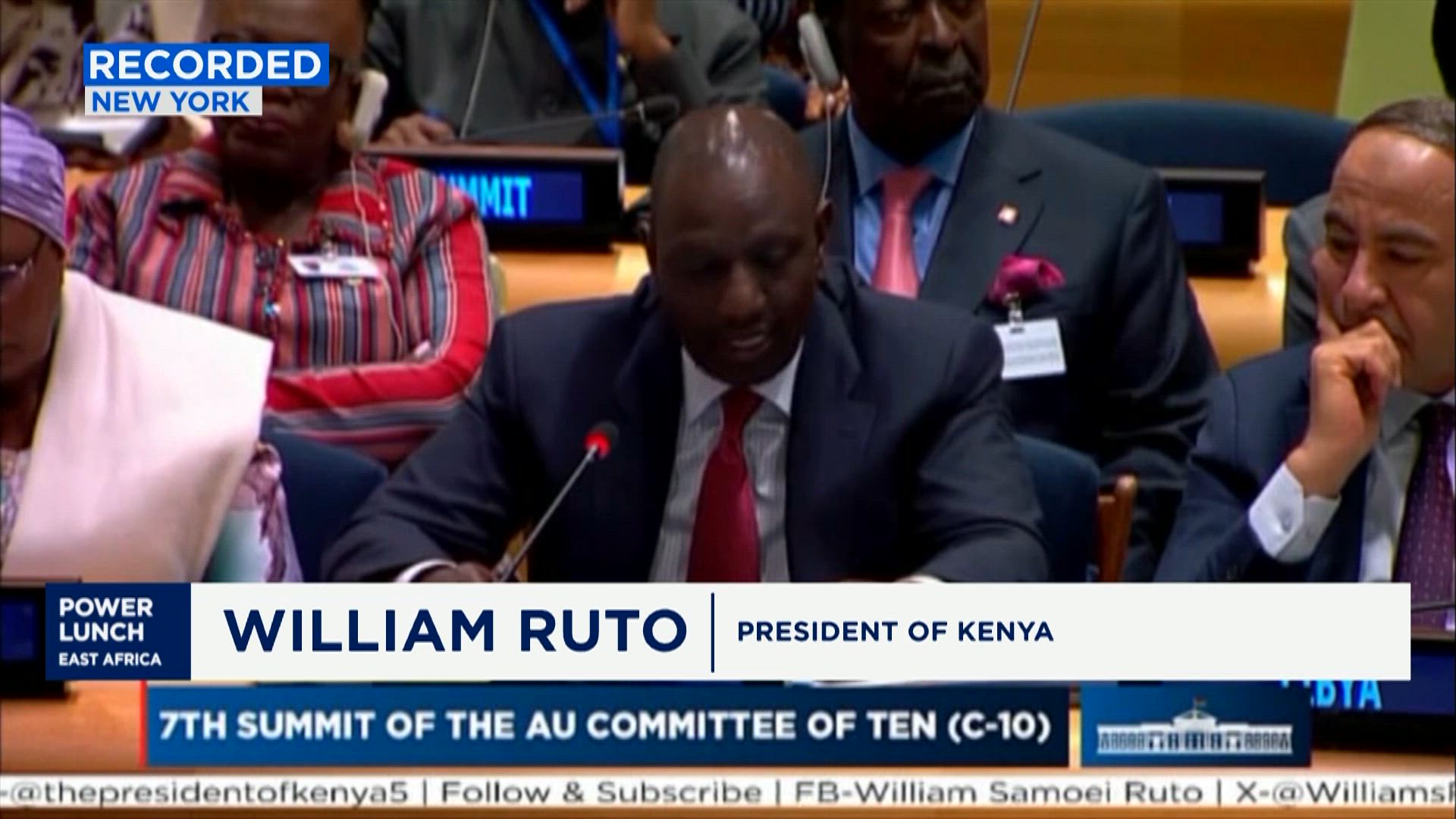
Last year Kenyan President William Ruto addressed the United Nations General Assembly to revisit the U.N.’s blatant racism against Africans. He demanded it add a representative from the African Union to the U.N. Security Council.

Since its founding in 1945 in the aftermath of Hitler and the slaughter of millions of Jews and others, the United Nations created the United Nations Security Council, which consists of five permanent members. Russia, The United States, the United Kingdom, China and France.
The permanent members can block any resolution by voting no, even if all other members support it.
The P5, as they’re called, also frequently communicate privately among themselves to negotiate resolutions before presenting to all 15 security council members, determine whether any permanent member is likely to veto it, coordinate positions on major wars, sanctions, nuclear issues, or peacekeeping operations and attempt to resolve disagreements before a formal Council meeting.
Being a permanent member means shaping policy and determining what conflicts to address and how. A role that has become more, not less, important in the last two decades.
The idea of the U.N. Security Council and the permanent members was to get ahead of world crises and work together to prevent and more quickly confront major catastrophes and conflicts.
Not sure that’s worked out, but here’s how the council operates.
In addition to the five permanent members, there are 10 rotating non-permanent members on the council. In order for a resolution to pass the security council, it needs an affirmative vote of nine of members and no veto from any permanent member. If all other 14 members vote yes on a resolution, a permanent member can veto it.
On the ground, this power means a permanent member is able to address concerns no non-permanent member can do.
The council does things like authorizing peace-keeping missions, imposing binding sanctions and travel bans, authorizing military force, investigating war crimes and referring situations to the International Criminal Court.
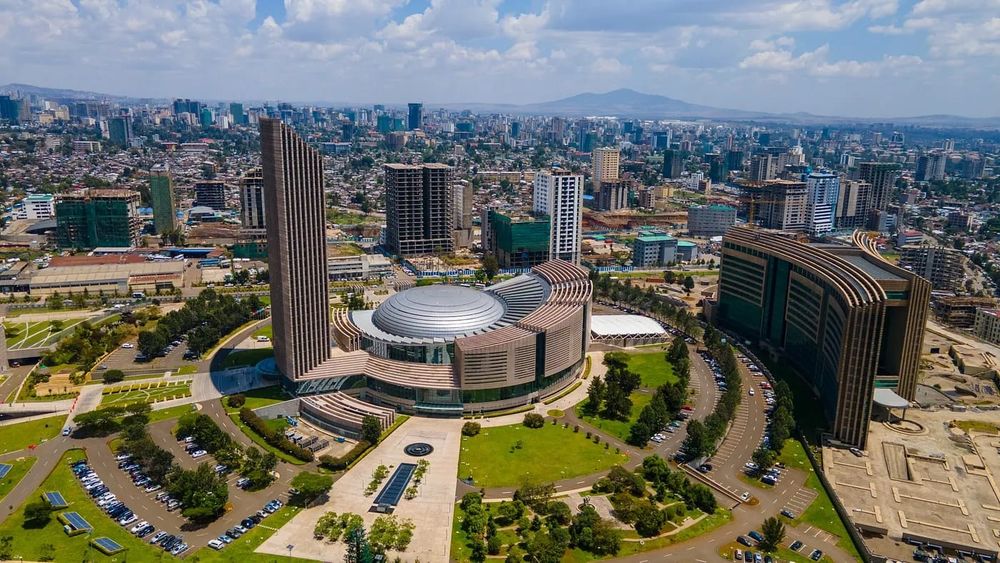
There are 1.5 billion people in Africa spread out over 54 countries, represented together as the African Union. But no seat on the security council.
Africans represent almost 15% of the entire world population. More than China. Certainly, more than former colonizers England and France.
African nations supply cocoa for 70% the world’s chocolate. Significant oil for multiple European countries. Diamonds for most the world. Components for batteries that run our phones and electric cars and are critical in the renewable energy space. Platinum-based metals for numerous items we use in everything from cars to jewelry.
To not include Africa as a permanent member at this point is a giant racist slap in the African face.
African voices ought to be heard when it comes to the security of the world. When it comes to solving human disaster and abuses. When it comes to world peace.
And it when it comes to how the world responds to Africa’s own issues, which the U.N. does little more than issue an occasional statement. Africans should have a bigger voice to address and give priority to human disasters in places like Sudan and Somalia.
Look, the United Nations is a bit bankrupt anyway. It shrinks when it comes to condemning terror organizations and the countries that fund them. Scared instead of brave.
It includes some of the worst human rights violators on the U.N. Human Rights Council, including China, Egypt and Burundi which lead the list of human rights abusers worldwide. Kind of makes the human rights council a bit of a joke.
And get this. Iran even sits on the U.N. Commission on the Status of Women, the principal international body devoted to gender equality and women’s rights. Yes, a country where women get arrested for showing their hair or singing advises on women’s issues.
Still, if the U.N. wants to regain its role as an effective voice in the world, it can no longer lead with their racist policy of excluding Africa from the Security Council.