
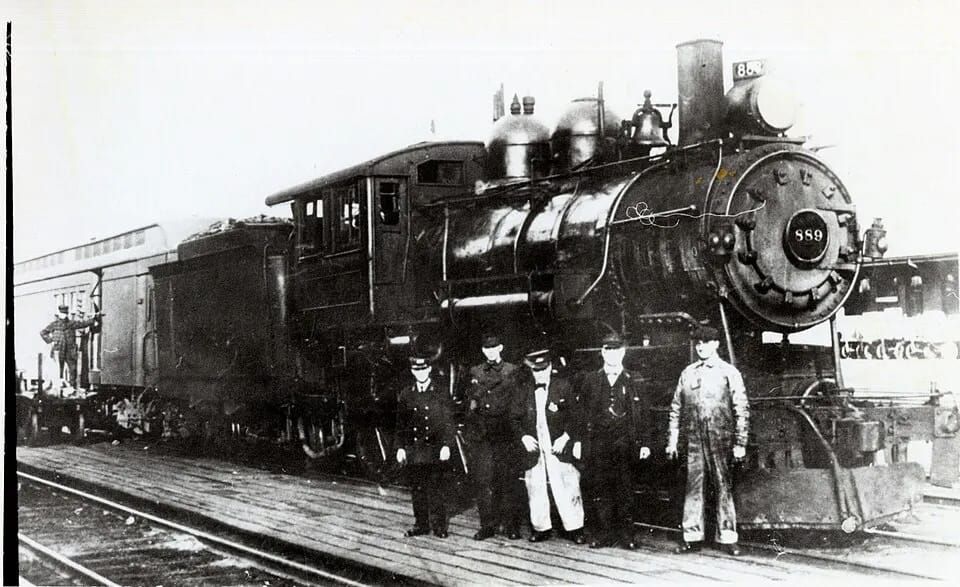
I’ve been through Aiken, SC, and never given it a thought. Aiken is in western South Carolina, where you’ll find the University of South Carolina-Aiken and the Thoroughbred Racing Hall of Fame and Museum. Founded in 1835, Aiken was named after William Aiken, President of the South Carolina Railroad. Across the state, Aiken also owned the Jehossee Plantation and the entire island it was on. At one time, Aiken owned over 700 enslaved people, which would have made him the 5th largest slaveholder. Slightly ahead of Louisiana Governor John L. Manning (with 670 slaves and a ways ahead of President Thomas Jefferson with 600.
Fourth place belonged to Meridith Calhoun in Louisiana. Third to sugar producer John Burneside, also of Louisiana. Second place went to cotton producer Dr. Stephen Duncan, who owned over 15 plantations in Mississippi and Louisiana. First place ostensibly belonged to the “King of the rice planters,” Col. Joshua John Ward, who controlled six large rice plantations in South Carolina. Ward had over 1,100 enslaved people, but they were all outdone by an entity one never thinks of as slaveholders… the railroads.
The railroads owned and/or rented more enslaved people than any of the largest plantations. You’d never know it to read their histories. It’s fairly well known that up to 20,000 Chinese workers made up 90% of the workforce that built the Western railroads. At one time, they were paid $26 a month working six days a week. That compared favorably to the black slaves who built the Southern railroads, many of the trains used to transport enslaved people to southern plantations that were bred on the breeding farms in Richmond, VA, Maryland Eastern Shore, and elsewhere.
America’s Breeding Farms: What History Books Never Told You | by William Spivey | Medium
Rarely mentioned in history books or taught in schools is the fact that slaveowners were the majority shareholders in most of the Southern railroads. William Aiken’s South Carolina Railroad never bragged about it. If you look deeply into their records of financial losses after the Civil War. You’ll find defaulted Confederate Bonds, uncollected transport charges, and 111 emancipated slaves for which they weren’t reimbursed.
“Southerners built some of the earliest and longest railroads in the nation.” — William G. Thomas III.
Professor William G. Thomas III documented the role enslaved people played in building the Southern railroads. He cited historian Theodore Kornweibel, who indicated over 10,000 enslaved people worked on the railroads between 1857–1865. Dr. Mae Gilland Wright estimated the railroads used 15,000 enslaved people in 1860 alone. Many were rented from local plantations, with some doing double duty by harvesting cotton, tobacco, and rice in their day jobs. The work was often dangerous, sometimes involving dynamite to dig tunnels. Slaveowners who leased their slaves often took out insurance as they realized they might not get their slave back healthy or alive.
Railroads and the Making of Modern America
The legend of John Henry told of an ex-slave who was pitted in a steel-driving race against a steam-powered machine. John Henry won the race but died afterward after his heart gave out from stress. Accounts vary about whether this was a true story, and one version places the contest in Talcott, West Virginia, after slavery ended. Henry was a convict who was leased out to the railroads to do their bidding. Only the name changed once slavery ended. The new owners who rented out slaves were the state and federal prisons. The more modern chain gangs and current road crews, or in some cases prisoners serving as firefighters, are little more than enslaved people. It might well be that some states today might be renting out more slaves than were owned by Thomas Jefferson, William Aiken, or Col. Joshua John Ward. Think about it!