
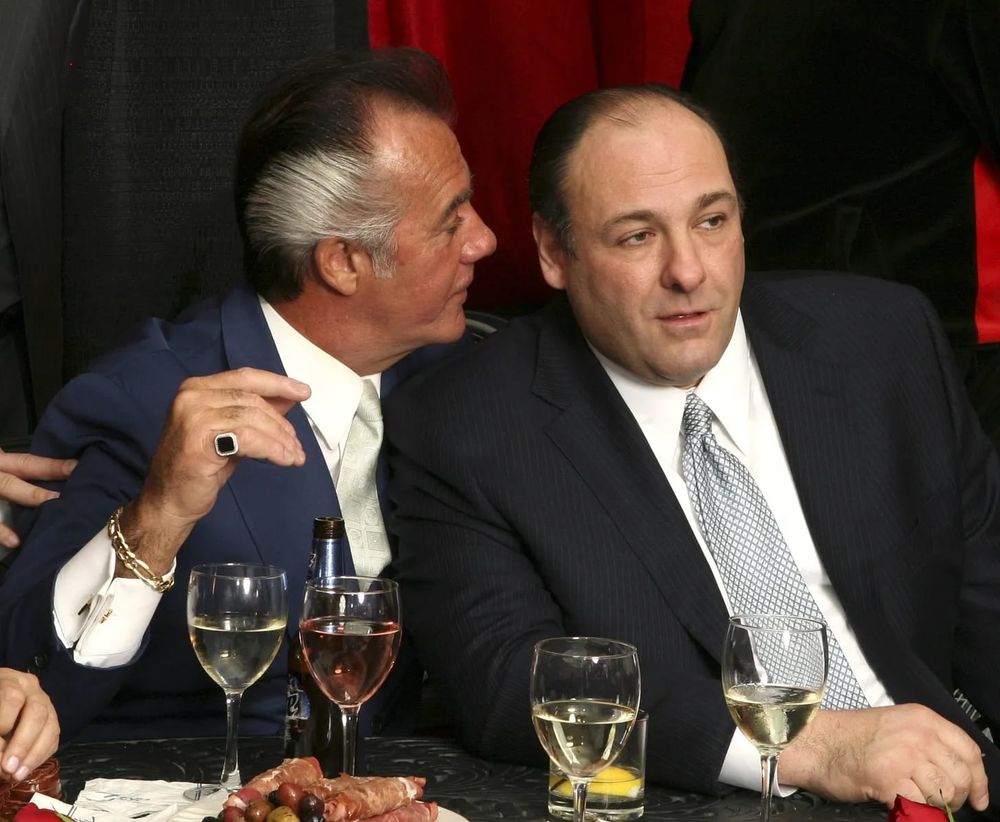
Like many of the prestige shows from my younger days, The Sopranos escaped me because I’d suffered from Mafia overload in movies, TV, and rap. Goodfellas and Casino were my primer in masculine performance for Black boys from rough areas. We needed dreams with low ceilings and those pulp stories were the remedy for feeling like nothing was possible without guns and duct tape. Tony Soprano, though, is one of TV’s great characters, and he’s as immigrant-sturdy as they come, a natural draw for me.
Right now, I’m on the scene where Tony (James Gandolfini) is chewing out Dr. Melfi (Lorraine Bracco) for misreading his love for his nephew as a noble vulnerability. He believes his recently shot nephew was loyal and bearing the weight of his boss’s sins. She thinks he’s underestimating the moral conundrum of his bulky, vertical power — and how that crosses paths with his nagging sense of compassion. Tony is a stone cold killer and somehow a warm ruler. He’s an obtuse, selfish husband and somehow a gentle (if temperamental) father. He’s wizened by age but crippled by anxiety.
If you like the culture reviews on big black commentary, share them on Notes.
The series opens with a mobster in the grips of psychological decline, lashing out at the soldiers in his troop and, eventually, himself. His nervous system crumbles so much he loses sight and passes out. By the end of Season 1, the patriarch can’t stand his family and his responsibilities and the forces conspiring to snuff him out. Without trust, Tony has to find peace amid the chaos and balance his inborn lust for greatness with the need to preserve an evermore fragile domestic world.
In other words, he’s living the middle aged American dad struggle. Just the Cement Boots and rosary beads version. He suffers erectile dysfunction when he can’t square his love for debauched whores with his Mommy issues in the master bedroom. He manages to reflect, self-correct in key moments like when his daughter gets drunk with him on their first college visit on the same night he has to kill a relocated informant. It’s a miracle how much Tony lets slide and the transgressions that stick with him, the minor slights that tip him over the threshold of reason.
I wish I could relate to his mostly even-handed reign, his ledger-balancing instincts as the stolen cash overflows. Perceived slights send me spiraling, judging my every misstep. Tony Soprano is a terrible model for middle age America. Although he destroys himself as most Americans do — with food and drugs and self-hatred — he’s also responsible and enriched by his pole position. Tony refuses, in dire times, the depths of pathos. I am as pathetic as they come, searching for a sense of self in power at the margins. Fringe desperation molds my choices when I wish I could whack my enemies. I am the strongly worded email version of Tony’s hit jobs. I am the first-person blog version of sending a message that hurts ‘em where it matters most. I love Tony Soprano because he’s as brutal as I wish I was and somehow just as weak. I’ll finish the second season this week and send out an update post.